AI-Powered Branding in 2026: How Technology is Reshaping Brand Identity//
The AI Revolution in Brand Design//
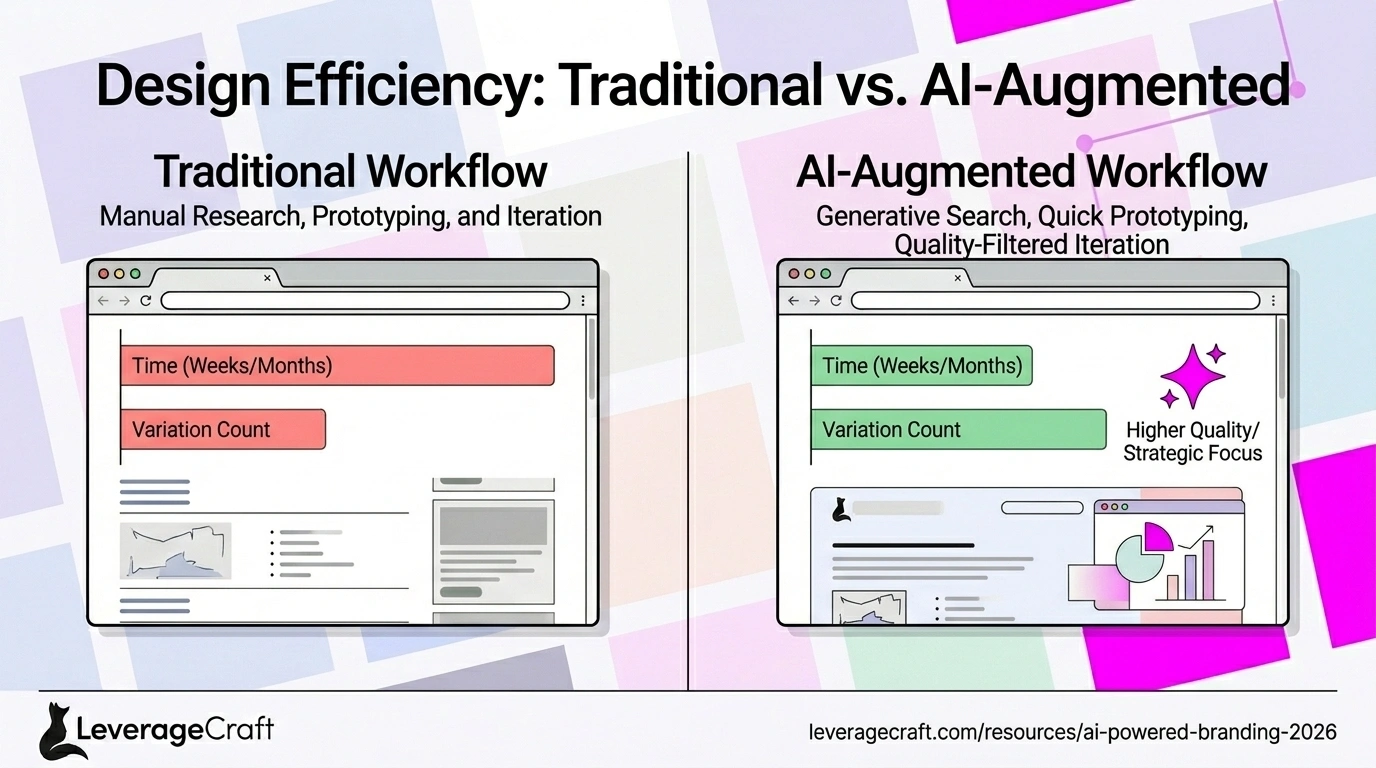
Artificial intelligence has fundamentally transformed how brands are created, managed, and evolved in 2026. What once took weeks of research and iteration now happens in hours, but the role of human creativity has become more critical, not less.
Leading companies like Apple, Google, and Nike use AI to augment their design processes, combining machine learning insights with human intuition to create brands that resonate deeply with audiences while adapting dynamically to market changes.
Generative Design for Brand Exploration//
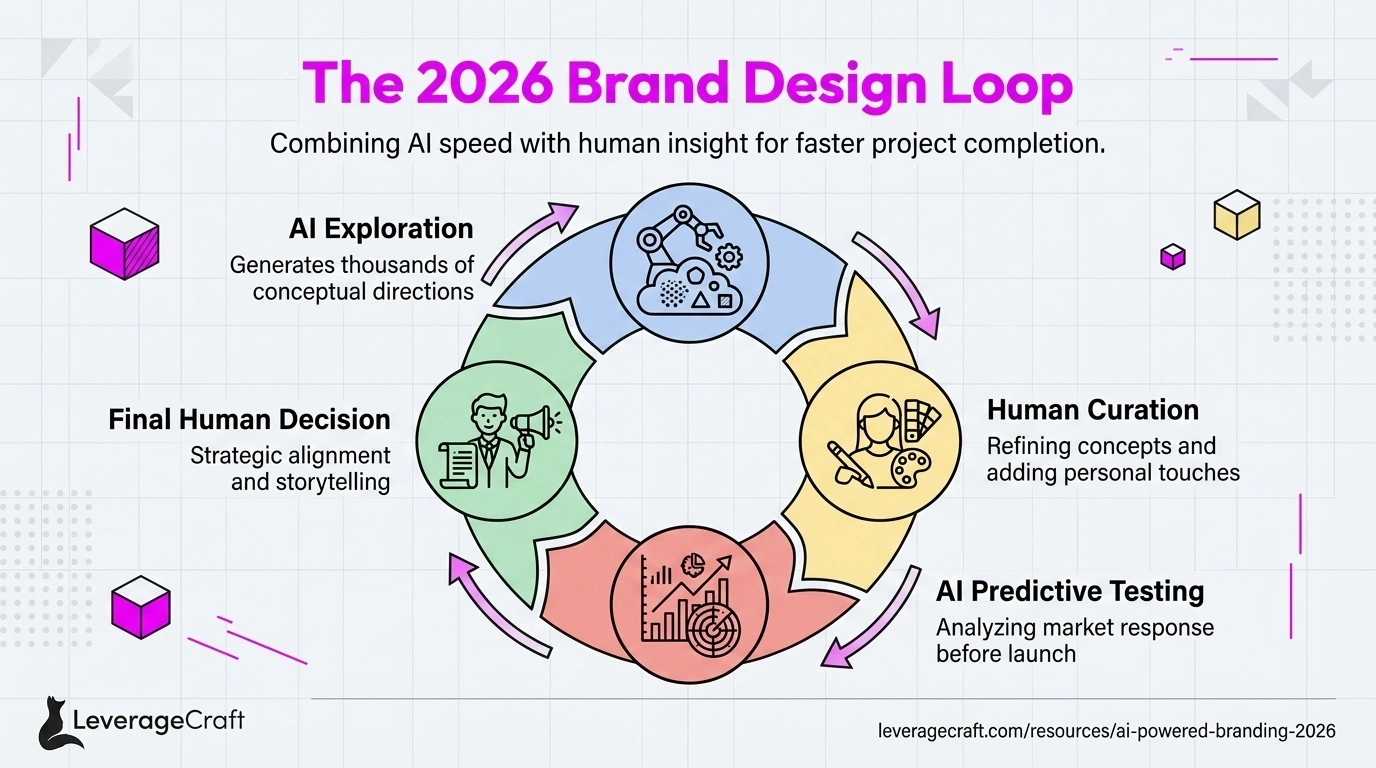
AI-powered generative design tools create thousands of logo variations, color schemes, and typography combinations in minutes. Designers input brand attributes, target audience data, and strategic direction, then AI generates diverse conceptual directions.
This doesn't replace creative thinking—it accelerates exploration. Designers spend less time on mechanical variations and more time refining concepts, ensuring strategic alignment, and adding the human touches that make brands memorable.
Data-Driven Brand Decisions//
AI analyzes millions of consumer interactions, brand perceptions, and market trends to inform brand strategy. Machine learning models predict how different audiences will respond to color choices, typography, and visual styles before designs are finalized.
Major corporations now test brand elements with AI-powered predictive analytics, reducing risk and increasing the likelihood of market success. This data doesn't dictate design—it informs creative decisions, allowing designers to make evidence-based choices while maintaining artistic vision.
Adaptive Brand Systems//
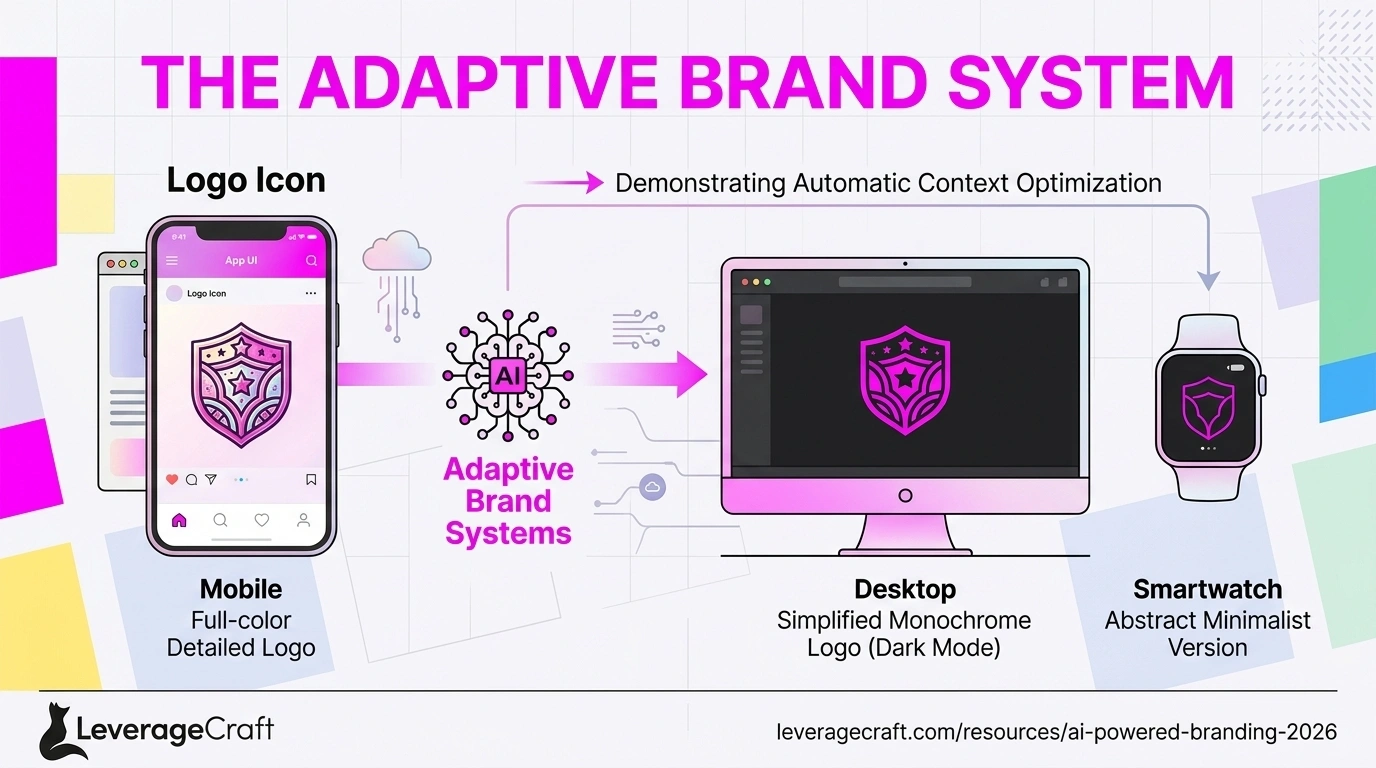
AI enables brands to adapt dynamically across contexts. Logos automatically adjust for different backgrounds, color schemes shift based on user preferences or accessibility needs, and layouts optimize for various screen sizes without manual intervention.
Google's Material You and Apple's adaptive color systems exemplify this approach—brands that feel personalized while maintaining core identity. The system knows when to adapt and when to stay consistent, creating flexible yet coherent brand experiences.
Real-Time Brand Sentiment Analysis//
AI continuously monitors social media, reviews, and customer feedback to track brand perception in real-time. Design teams receive instant insights into how visual changes impact audience sentiment, allowing rapid iteration and refinement.
When Airbnb updated their brand identity, AI sentiment analysis helped them understand which elements resonated and which caused confusion, enabling quick adjustments that improved reception. This feedback loop makes brand evolution more responsive and strategic.
How Design Teams Work with AI in 2026//
Modern brand design teams include AI specialists who configure and train models specific to each brand's needs. The typical workflow combines AI speed with human judgment: AI generates options, humans curate and refine, AI tests variations, humans make final decisions.
Teams at Meta, Amazon, and Microsoft report 40% faster project completion while maintaining higher quality standards. Designers focus on strategy, storytelling, and emotional connection—the uniquely human aspects—while AI handles repetitive tasks and data analysis.
The Human-AI Creative Partnership//
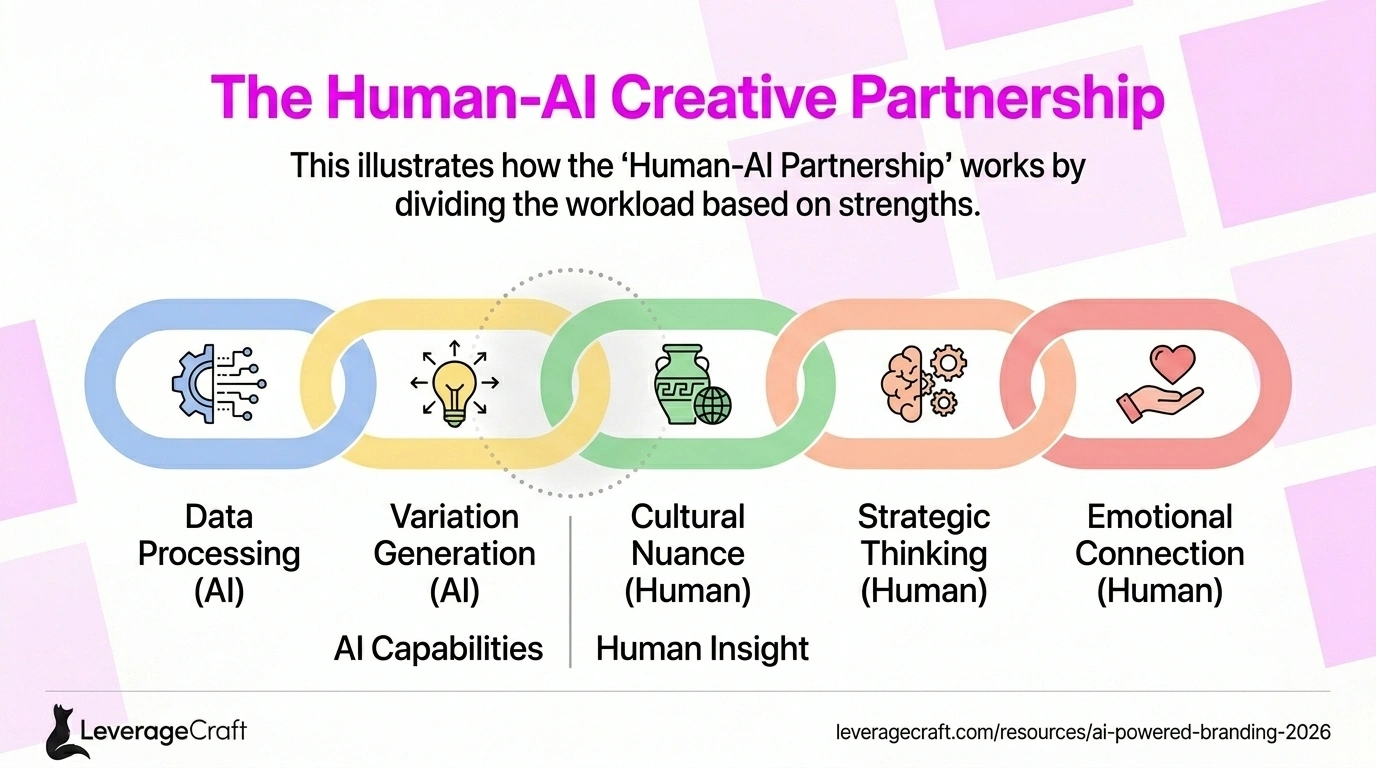
The most successful brand projects treat AI as a collaborative partner, not a replacement. AI excels at pattern recognition, variation generation, and data processing. Humans excel at emotional intelligence, cultural nuance, strategic thinking, and knowing when to break rules.
This partnership produces brands that are both data-informed and emotionally resonant. AI suggests directions based on what works statistically; humans ensure the brand tells an authentic story and creates meaningful connections with audiences.
The Future of AI in Branding//
As AI capabilities expand, the focus shifts from "Can AI do this?" to "How do we use AI responsibly?" Questions about authenticity, originality, and the role of human creativity become central to brand design conversations.
The brands that thrive use AI as a tool for human creativity, not a substitute. They leverage technology to work smarter while ensuring every brand maintains a genuine human perspective and emotional authenticity that machines alone cannot create.
FREQUENTLY ASKED QUESTIONS//
Will AI replace brand designers?
No. AI augments and accelerates design work but cannot replace human creativity, strategic thinking, and emotional intelligence. The role of designers is evolving to focus more on strategy, curation, and adding human nuance that AI cannot replicate. Demand for skilled brand designers has actually increased as AI tools enable more sophisticated branding projects.
How do companies ensure AI-assisted brands feel authentic?
Successful companies use AI for exploration and analysis, but humans make final creative decisions. They establish clear brand values and personality traits that guide AI tools, ensuring generated concepts align with authentic brand identity. Human designers review, refine, and inject emotional depth that makes brands feel genuine.
What AI tools are design teams using in 2026?
Leading teams use a combination of generative design tools (like Adobe Firefly and Midjourney for concepts), brand analysis platforms (sentiment tracking and predictive analytics), and adaptive design systems. Many large companies develop proprietary AI tools trained on their specific brand guidelines and audience data for more tailored results.
RELATED ARTICLES//
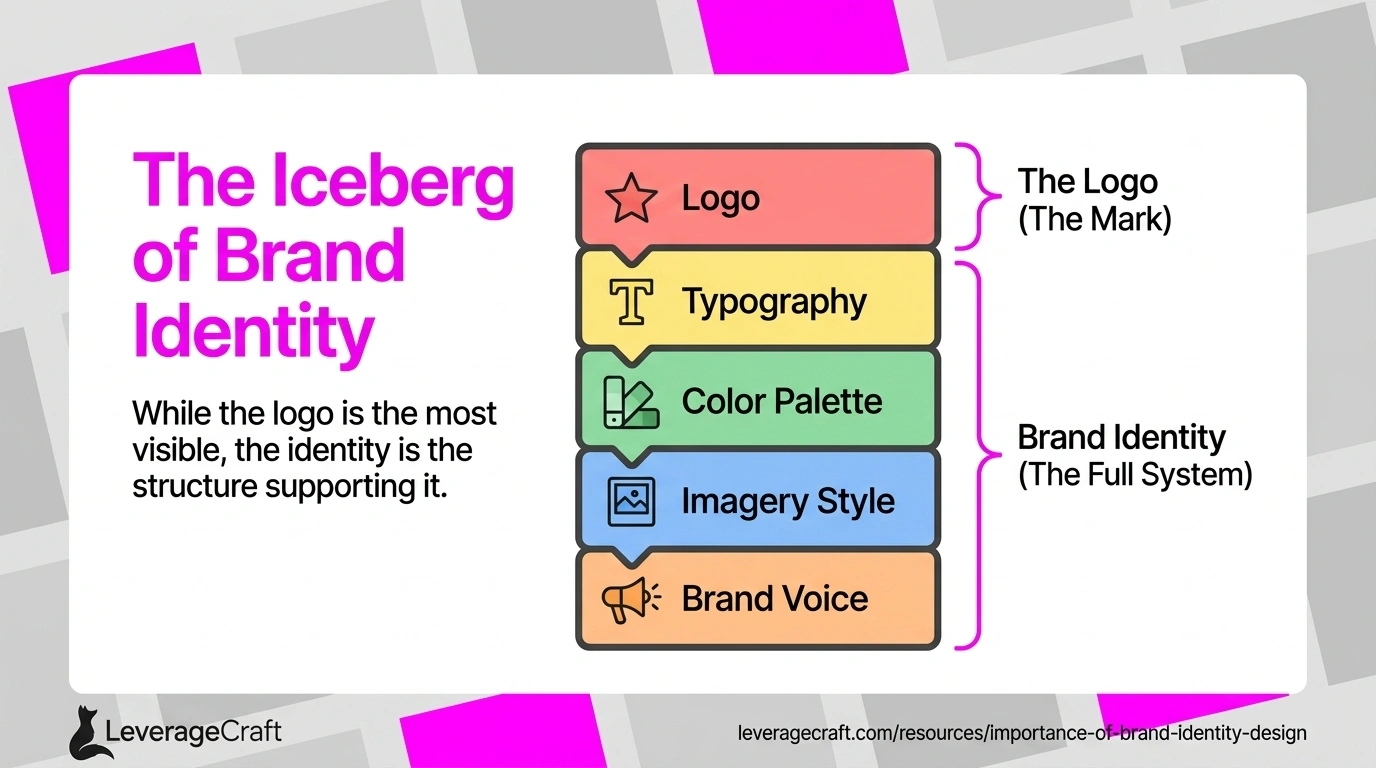
The Importance of Brand Identity Design in 2025
Discover why a strong brand identity is crucial for business success and how it influences customer perception, loyalty, and market positioning.
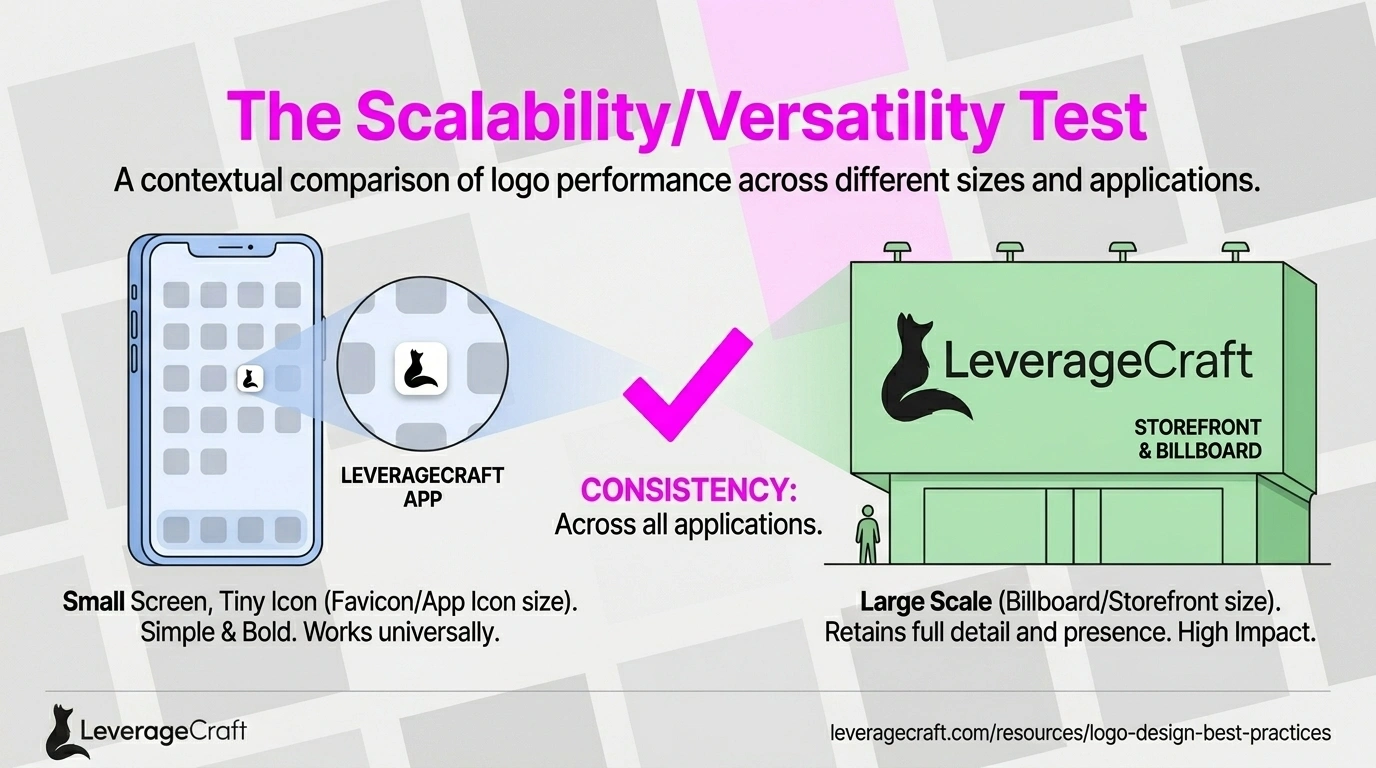
Logo Design Best Practices: Creating Timeless Brand Marks
Master the fundamentals of effective logo design with proven principles that create memorable, versatile, and timeless brand marks.
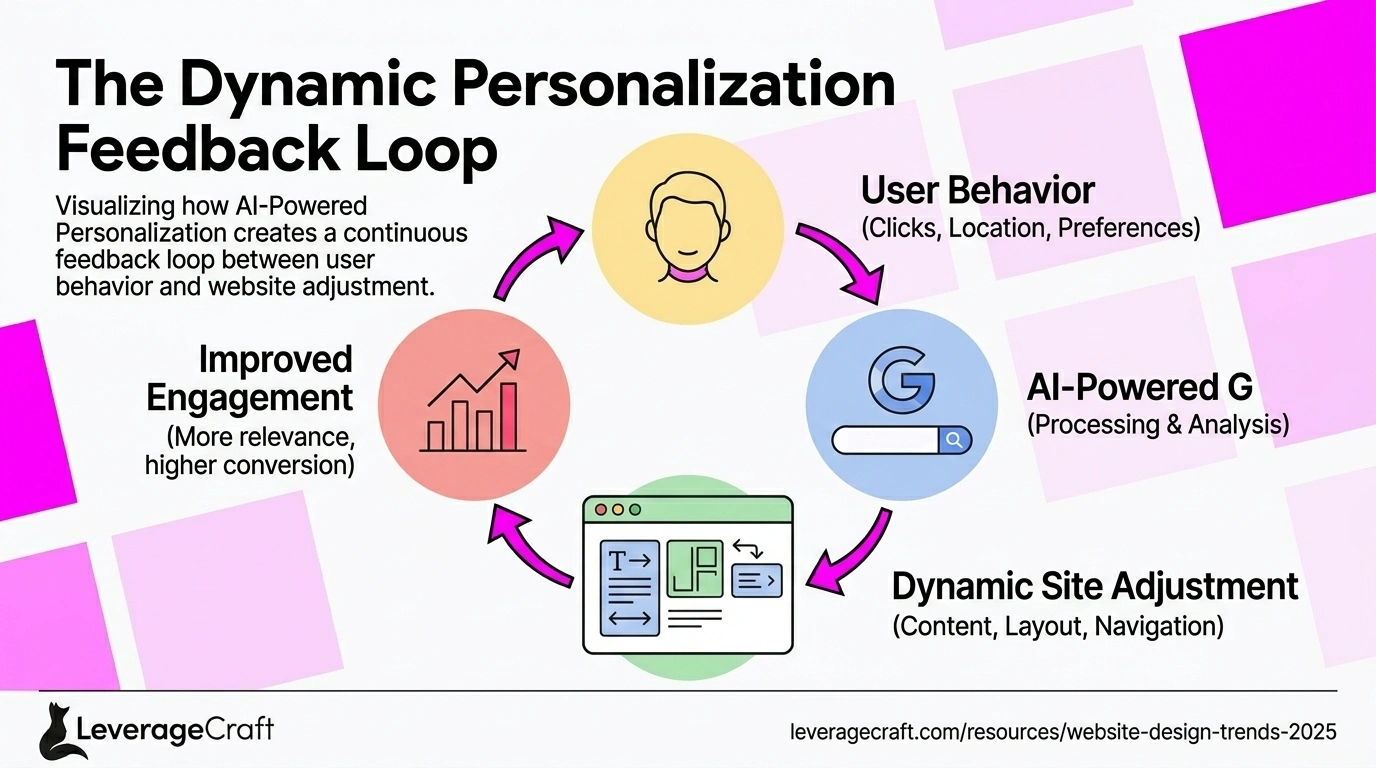
Website Design Trends Shaping 2025
Explore the latest website design trends, from AI-powered personalization to immersive 3D experiences, and learn how to implement them effectively.