Emotional Branding in 2026: Creating Brands That People Feel//
Why Emotions Drive Brand Success//
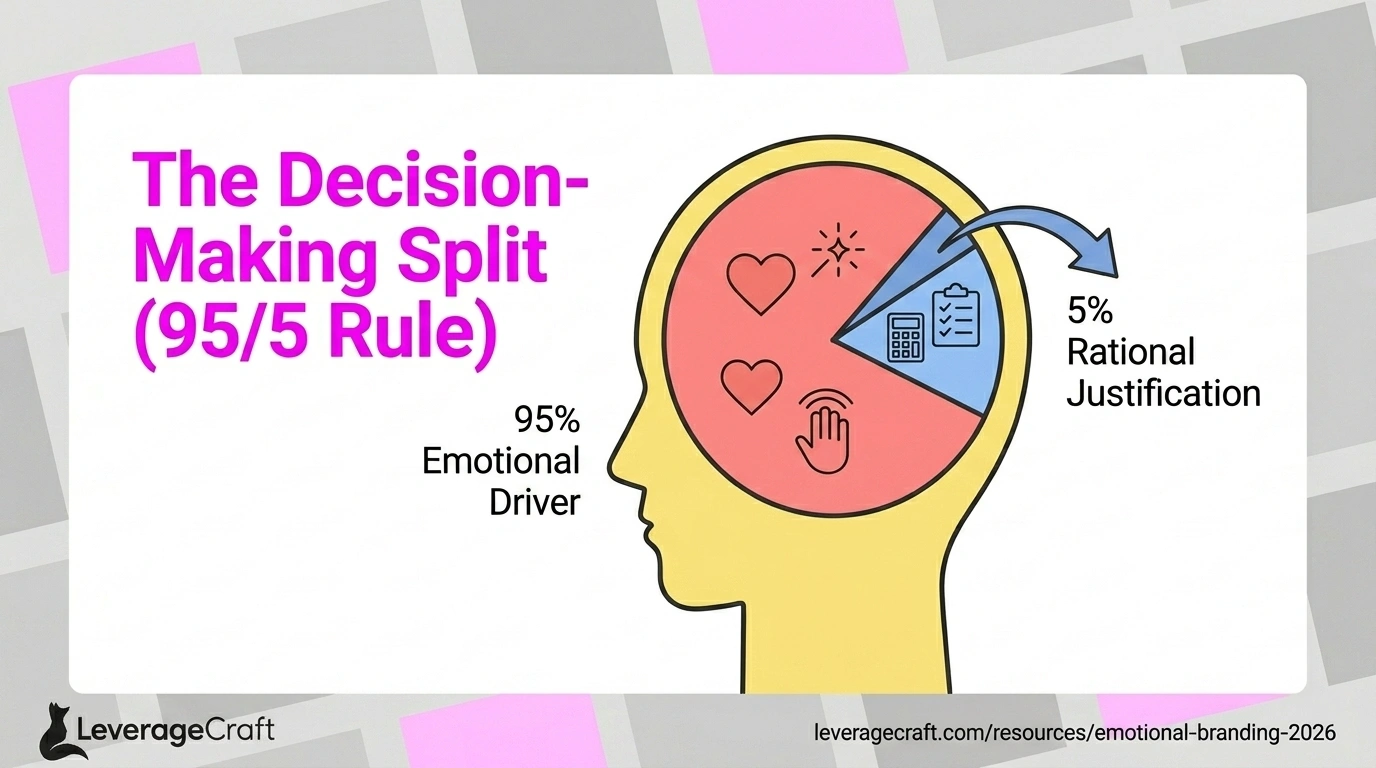
People don't choose brands logically—they choose them emotionally and justify rationally. Neuroscience research shows that emotions influence 95% of purchasing decisions, yet traditional branding often focuses on rational features and benefits.
In 2026, the most successful brands understand that creating emotional resonance isn't manipulation—it's authentic connection. Apple makes people feel innovative, Nike makes them feel empowered, Patagonia makes them feel responsible. These emotional associations drive loyalty far beyond product features.
Core Psychological Principles//
Emotional branding leverages fundamental psychological principles: the mere exposure effect (familiarity breeds preference), emotional contagion (emotions are transferable), the peak-end rule (experiences are judged by peaks and endings), and social proof (we trust what others value).
Understanding these principles allows designers to create brands that naturally trigger positive emotional responses. Every color choice, typographic decision, and visual element can either strengthen or weaken emotional connection.
Building Trust Through Authenticity//
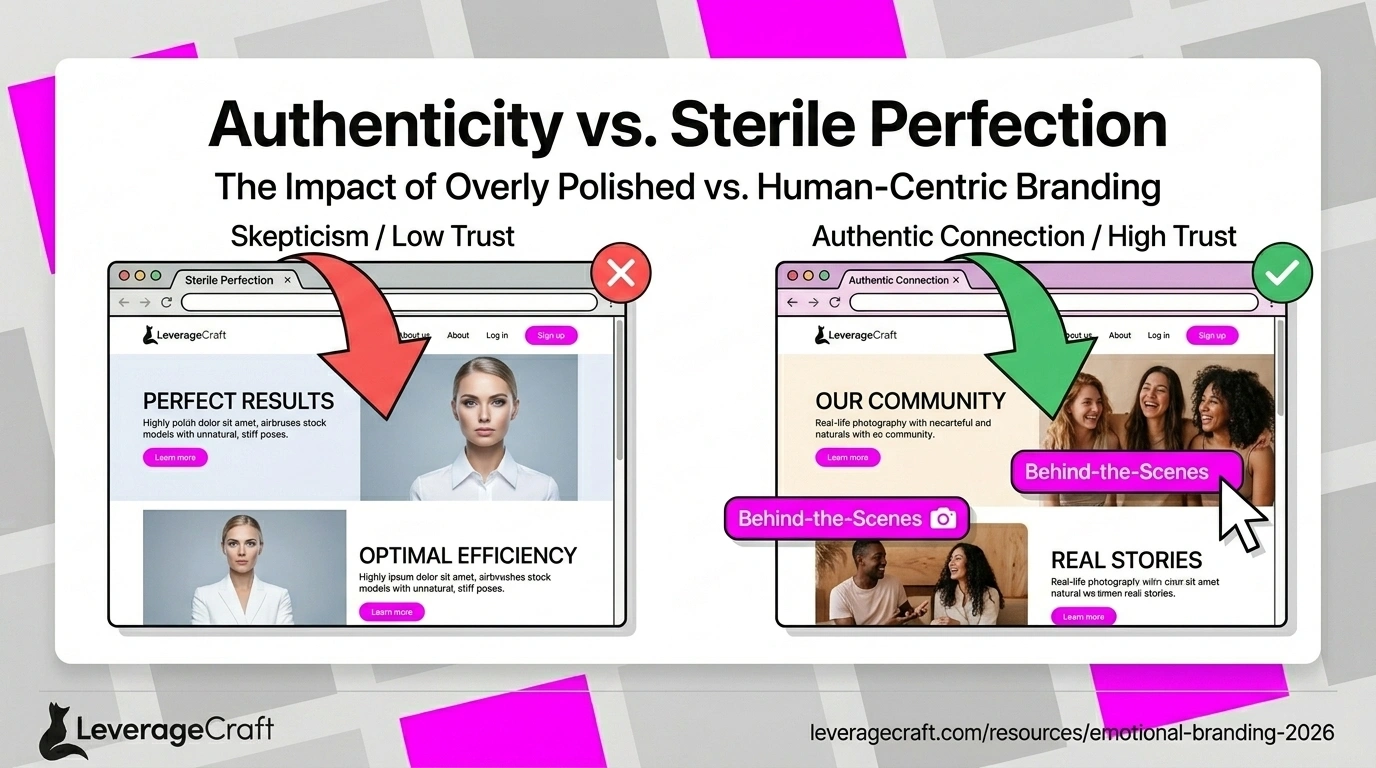
Modern consumers are skeptical of overly polished, perfect brands. They crave authenticity and transparency. Brands that show their human side—acknowledging mistakes, sharing behind-the-scenes glimpses, communicating honestly—build deeper trust.
Patagonia's "Don't Buy This Jacket" campaign and Dove's Real Beauty initiative succeeded because they felt genuine. The visual identities supporting these campaigns avoided sterile perfection, embracing real textures, honest photography, and human imperfection.
Multi-Sensory Brand Experiences//
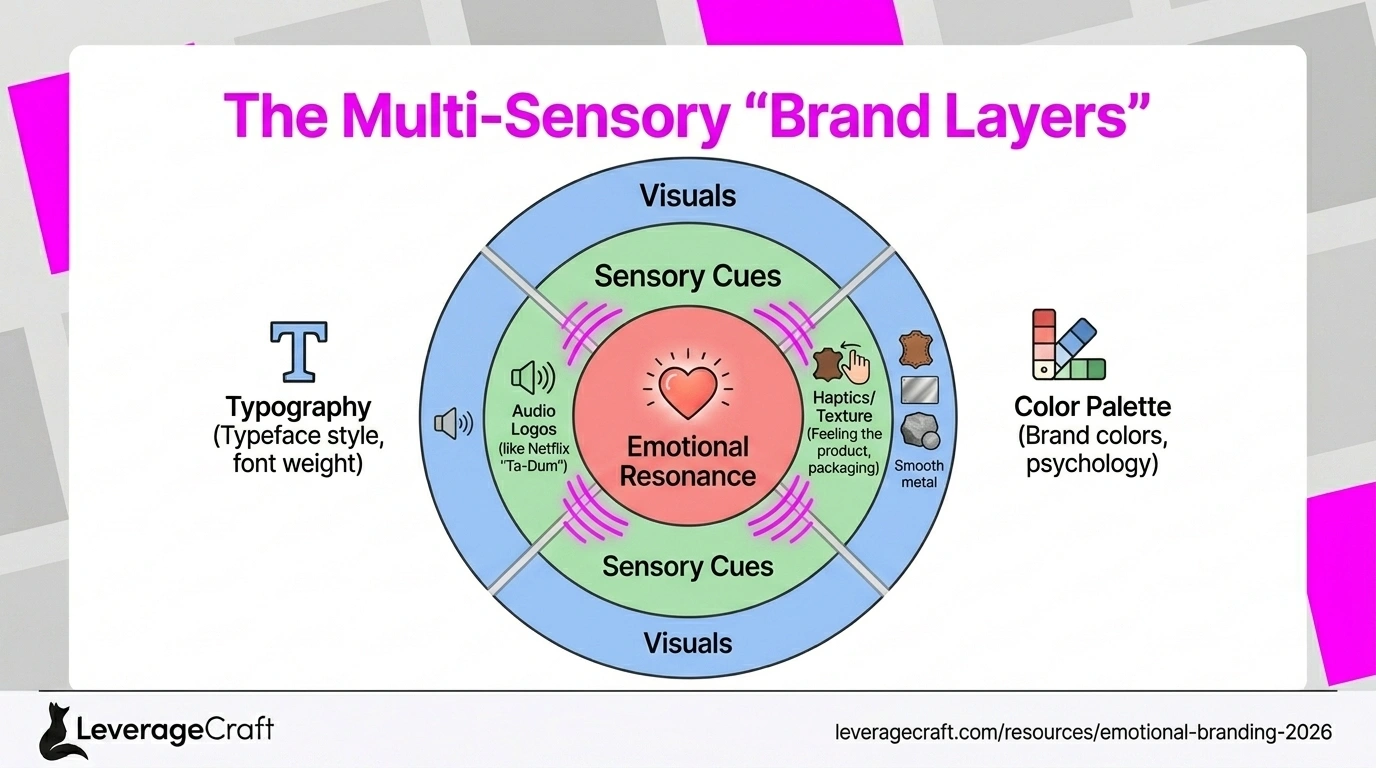
While visual design dominates brand identity, the most emotionally powerful brands engage multiple senses. Think of Apple store's distinctive smell, McDonald's golden arches triggering taste memories, or Netflix's audio logo creating anticipation.
Even in visual design, we can suggest other senses—typography that looks smooth or rough, colors that feel warm or cool, layouts that create rhythm and movement. This synesthetic approach creates richer emotional experiences than visuals alone.
Leveraging Brand Archetypes//
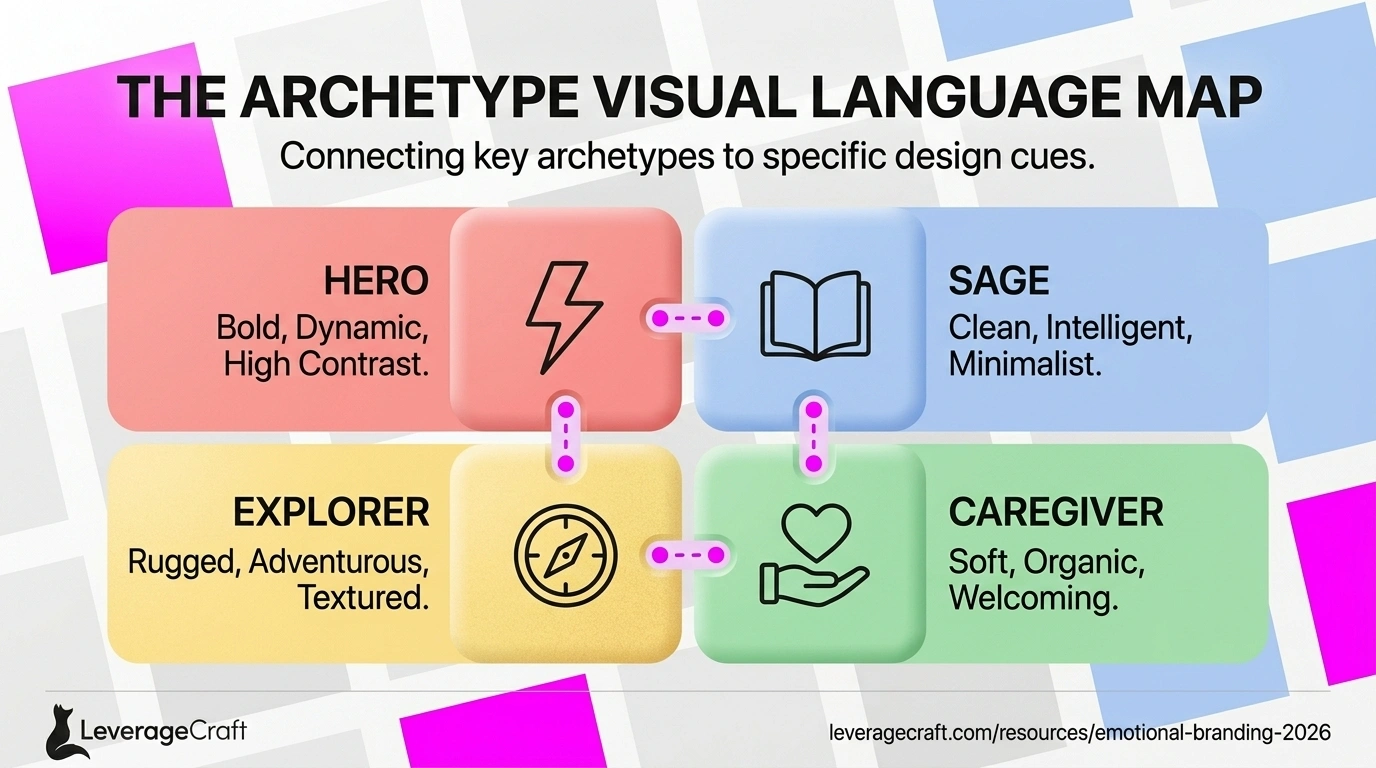
Carl Jung's archetypes provide a framework for emotional branding. Is your brand the Hero (Nike), the Sage (Google), the Explorer (Jeep), or the Caregiver (Johnson & Johnson)? Each archetype triggers different emotional associations and attracts specific audiences.
Understanding your brand archetype guides every design decision. Hero brands use bold, dynamic visuals; Sage brands prefer clean, intelligent designs; Explorer brands embrace rugged, adventurous aesthetics. Consistency with your archetype strengthens emotional resonance.
How Tech Giants Create Emotional Bonds//
Apple cultivates feeling of belonging to an innovative tribe through minimalist design and premium materials. Google creates trust through friendly, accessible design and primary colors that feel open and honest. Microsoft positions itself as empowering and reliable through steady evolution and inclusive design.
These companies invest billions in understanding emotional drivers. They test not just whether designs work but how they make people feel. Their brand decisions are backed by extensive psychological research, eye-tracking studies, and emotional response measurement.
Visual Storytelling That Resonates//
Every brand tells a story, but emotional brands tell stories people want to be part of. Airbnb doesn't just sell accommodations—they sell belonging anywhere. Their visual identity (the Bélo symbol) represents people, places, love, and Airbnb, telling a story in a single mark.
Effective brand storytelling shows transformation, features real people, acknowledges challenges, and offers hope. The visual identity must support this narrative through imagery choices, color psychology, and compositional decisions that reinforce emotional themes.
Measuring Emotional Impact//
In 2026, we can measure emotional responses with unprecedented precision. Facial coding software tracks micro-expressions, galvanic skin response measures arousal, eye tracking reveals attention patterns, and brain imaging shows neural activation.
Brands like Coca-Cola and Unilever use these tools to test brand elements before launch. While data informs decisions, designers must still interpret findings through a human lens—understanding that the right emotional response varies by context, culture, and audience.
FREQUENTLY ASKED QUESTIONS//
How do you balance emotional appeal with professional credibility?
The key is aligning emotional strategy with your audience and industry context. B2B brands can be emotional—IBM's "Let's Create" campaign proves this. Professional credibility comes from consistency, quality, and authenticity, not from avoiding emotion. Even law firms and financial institutions benefit from emotional connection, though their approach differs from consumer brands.
Can small businesses create emotional brands like big corporations?
Absolutely—often more easily. Small businesses have advantages: authentic founder stories, genuine community connections, and ability to be more personal. You don't need a massive budget to create emotional resonance. Focus on authenticity, consistent values, and genuine relationships with customers. Small brands often create stronger emotional bonds than corporate giants.
What's the difference between emotional manipulation and emotional branding?
Emotional manipulation uses false promises and deception to trigger responses. Emotional branding creates genuine connections based on authentic values and real experiences. Ask: "Does this accurately represent our brand?" and "Would we be proud if customers knew our strategy?" If yes, it's authentic emotional branding. If no, it's manipulation.
RELATED ARTICLES//
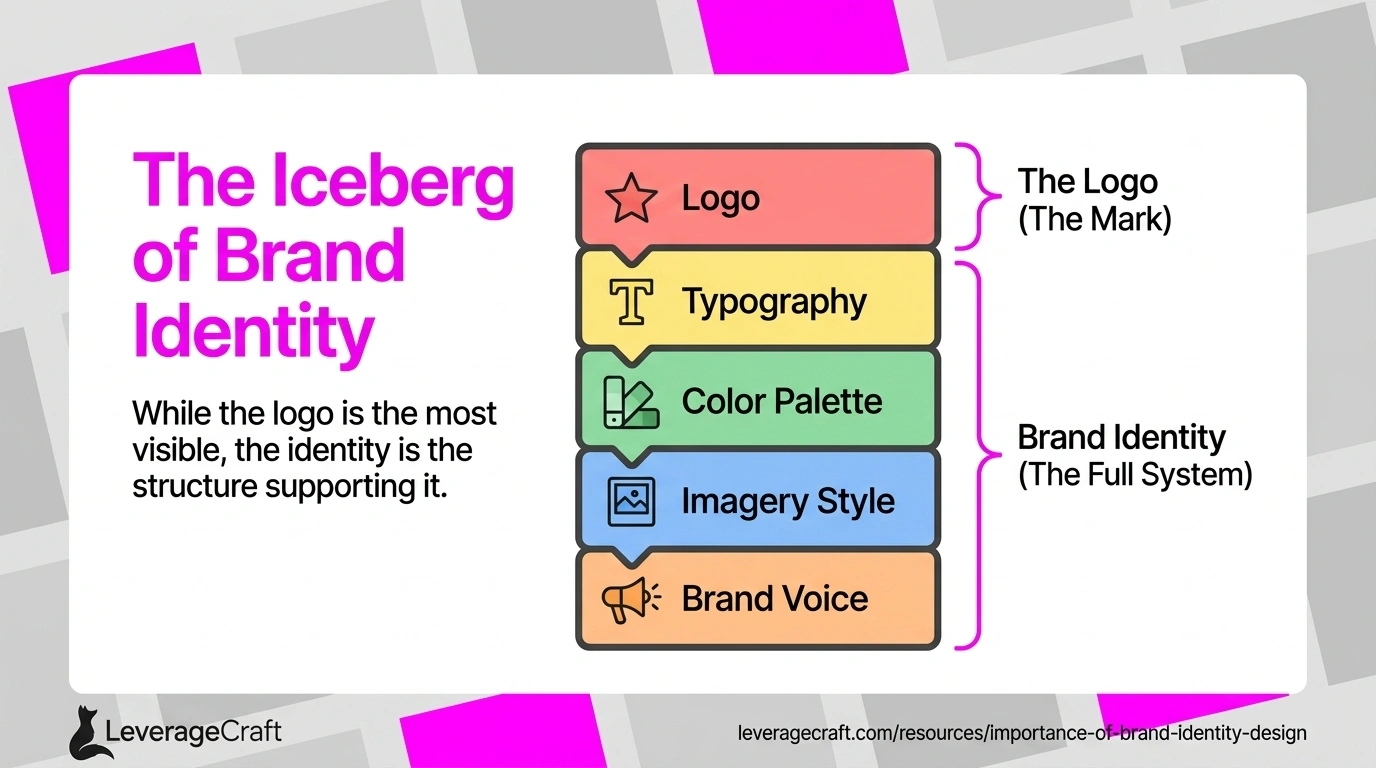
The Importance of Brand Identity Design in 2025
Discover why a strong brand identity is crucial for business success and how it influences customer perception, loyalty, and market positioning.
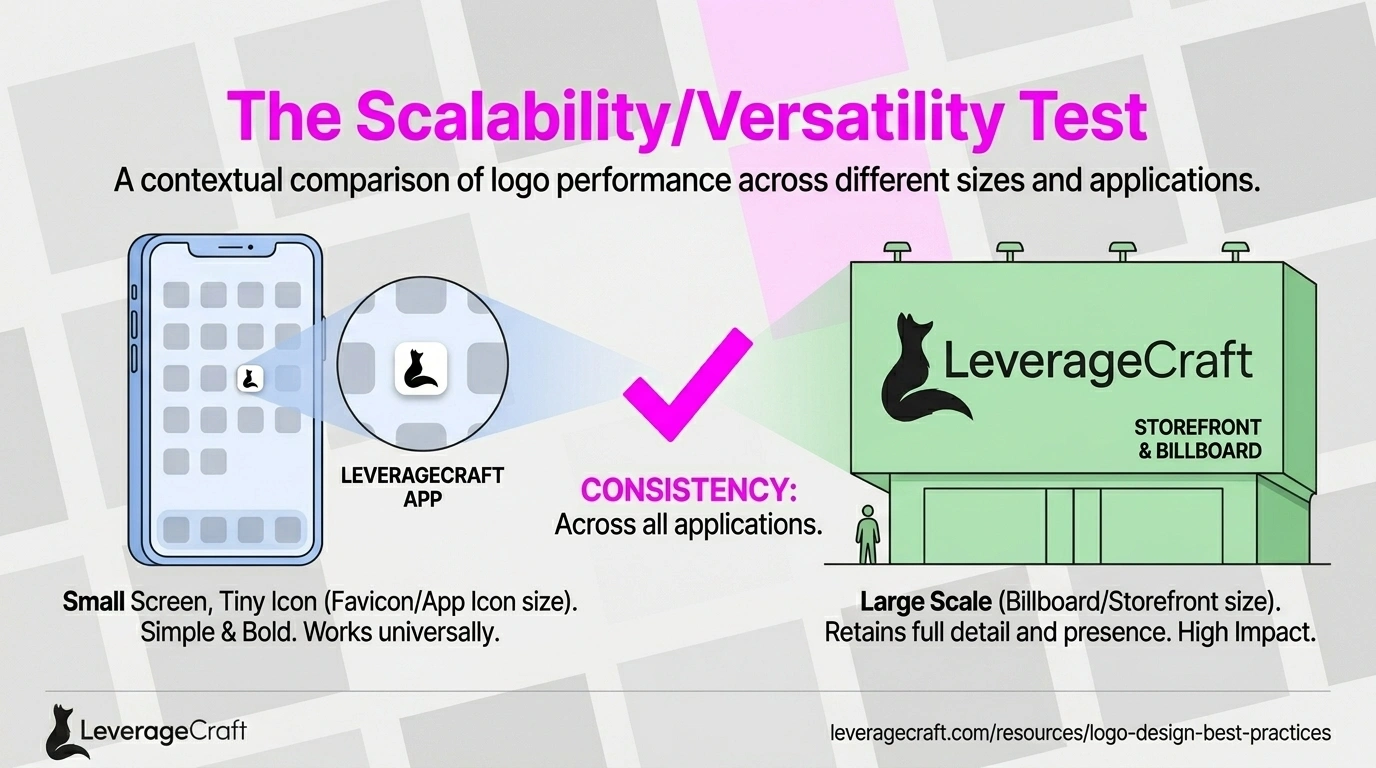
Logo Design Best Practices: Creating Timeless Brand Marks
Master the fundamentals of effective logo design with proven principles that create memorable, versatile, and timeless brand marks.
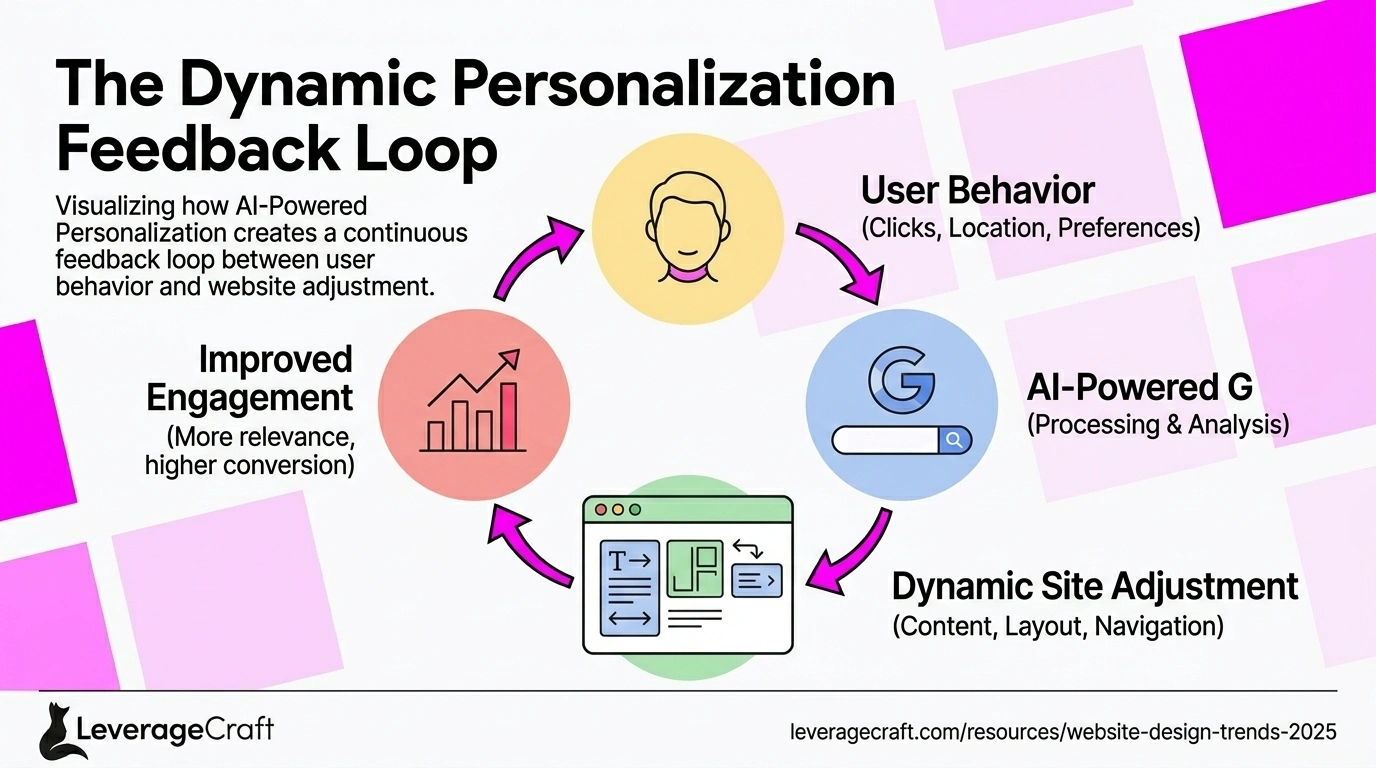
Website Design Trends Shaping 2025
Explore the latest website design trends, from AI-powered personalization to immersive 3D experiences, and learn how to implement them effectively.