Logo Design Trends 2026: The Future of Brand Identity//
The Evolution of Logo Design in 2026//
Logo design in 2026 has transcended static imagery to become dynamic, adaptive, and intelligent. Today's logos respond to context, adapt to different platforms, and create immersive brand experiences that were impossible just a few years ago.
This shift represents more than aesthetic changes—it's a fundamental reimagining of how brands communicate visually in an increasingly digital, multi-platform world.
Adaptive Logo Systems//
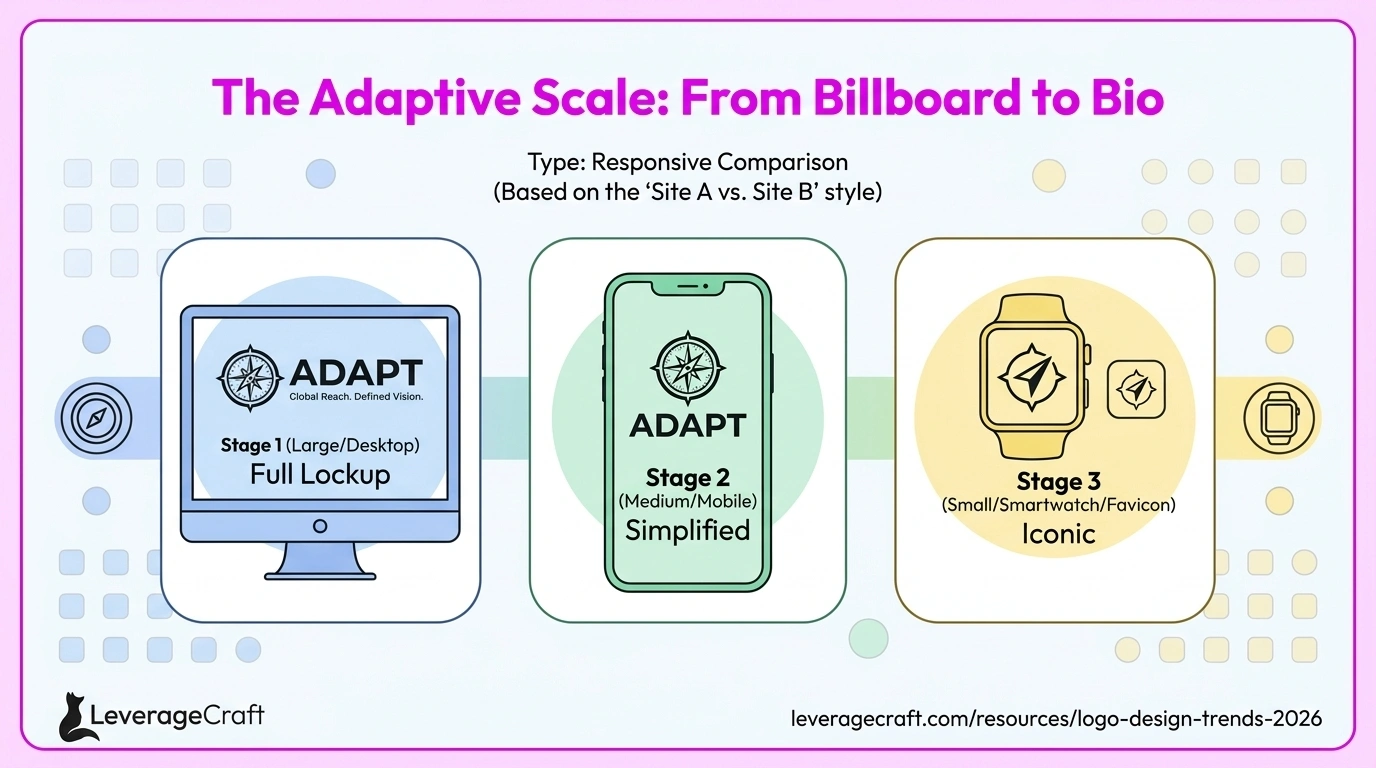
The biggest trend of 2026 is the rise of adaptive logo systems. These intelligent logos automatically adjust their complexity, orientation, and composition based on the viewing context—from smartwatch screens to building-sized displays.
Leading brands now deploy multiple logo variations that seamlessly transition between simplified icons, wordmarks, and full lockups. This responsive approach ensures optimal legibility and impact across every touchpoint.
Kinetic and Motion-First Design//
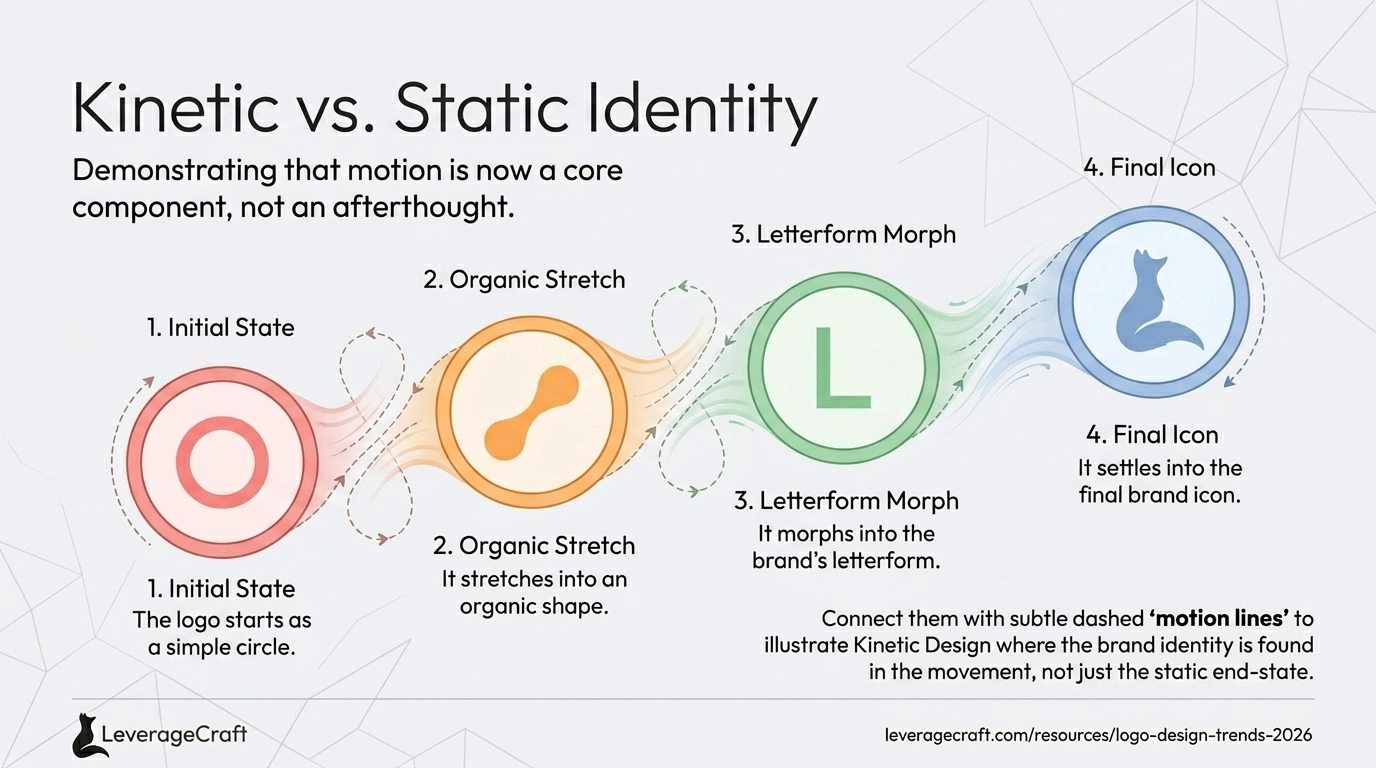
Static logos are giving way to kinetic identities designed for motion. These animated logos maintain their core identity while incorporating subtle movements, transitions, and interactions that bring brands to life.
Motion is no longer a nice-to-have—it's an essential part of the logo design process. Designers now create storyboards and animation guidelines alongside traditional logo specifications.
Parametric and Generative Logos//
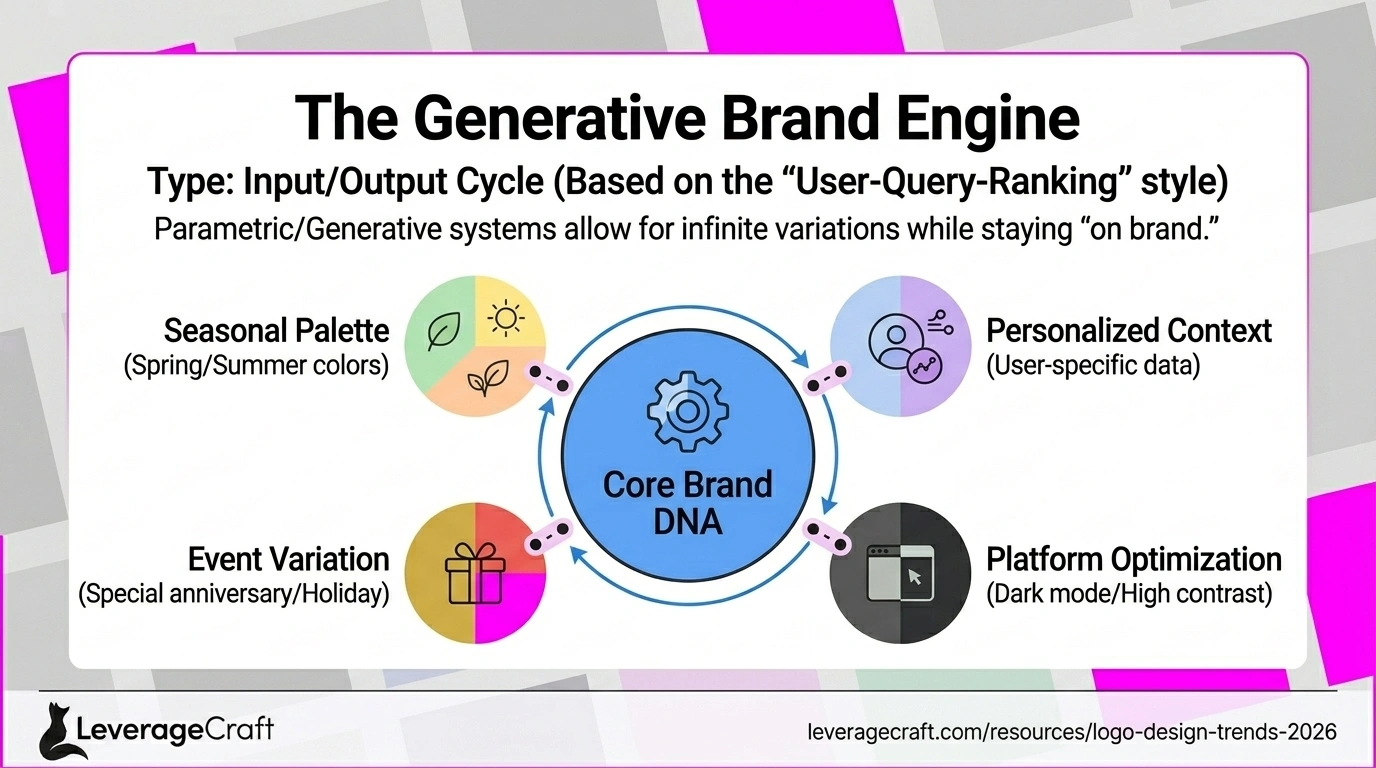
AI-powered parametric design systems allow logos to generate infinite variations while maintaining brand consistency. These systems use defined rules to create contextual variations for seasonal campaigns, special events, or personalized experiences.
Brands can now have a core identity that feels both consistent and endlessly fresh, adapting to trends without losing recognition.
Sophisticated Simplicity//
While minimalism remains dominant, 2026 sees a shift toward "sophisticated simplicity"—logos that appear simple but reveal hidden depth and meaning through subtle geometric relationships, optical illusions, and layered symbolism.
These designs reward closer inspection while maintaining instant recognizability, creating deeper emotional connections with audiences who appreciate the craftsmanship.
Eco-Conscious Design Language//
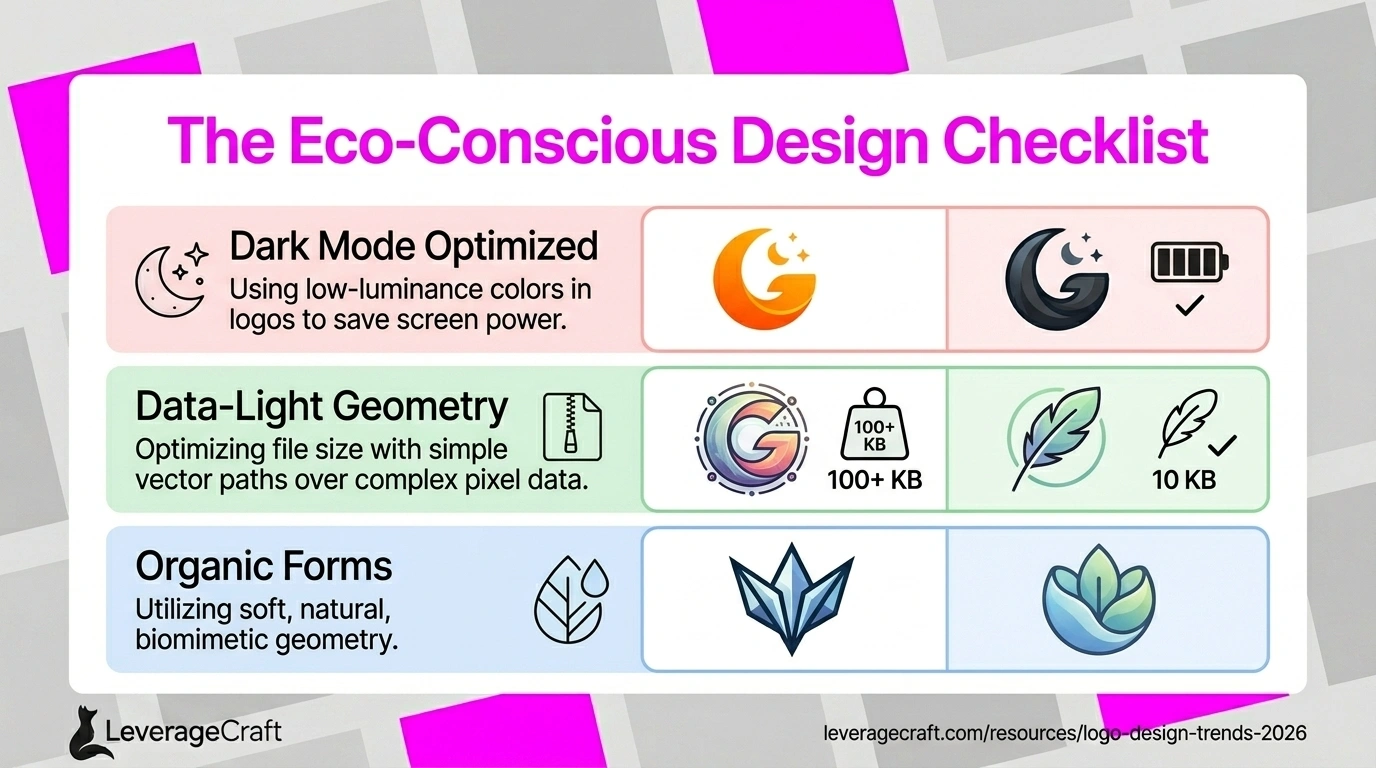
Sustainability influences logo design in 2026 through organic forms, earth-tone palettes, and design systems optimized for minimal data usage. Brands increasingly communicate environmental values through their visual identity.
This trend extends to technical considerations—logos designed for dark mode to reduce screen energy consumption and simplified geometries that require less processing power to render.
FREQUENTLY ASKED QUESTIONS//
Should my small business invest in an adaptive logo system?
Start with a solid core logo design that can scale to different sizes and contexts. Full adaptive systems are valuable for brands with significant digital presence, but a well-designed flexible logo with a few key variations serves most businesses effectively.
How do animated logos affect brand recognition?
When done well, animated logos enhance recognition by creating memorable brand moments. The key is consistency—the animation should feel like a natural extension of your brand personality, not a gimmick. Always ensure static versions work equally well.
Are these trends appropriate for traditional industries?
Absolutely. Even traditional industries benefit from modern logo approaches. The key is adapting trends to fit your industry context. A law firm might use subtle, sophisticated motion rather than playful animations, while still embracing adaptive design principles.
RELATED ARTICLES//
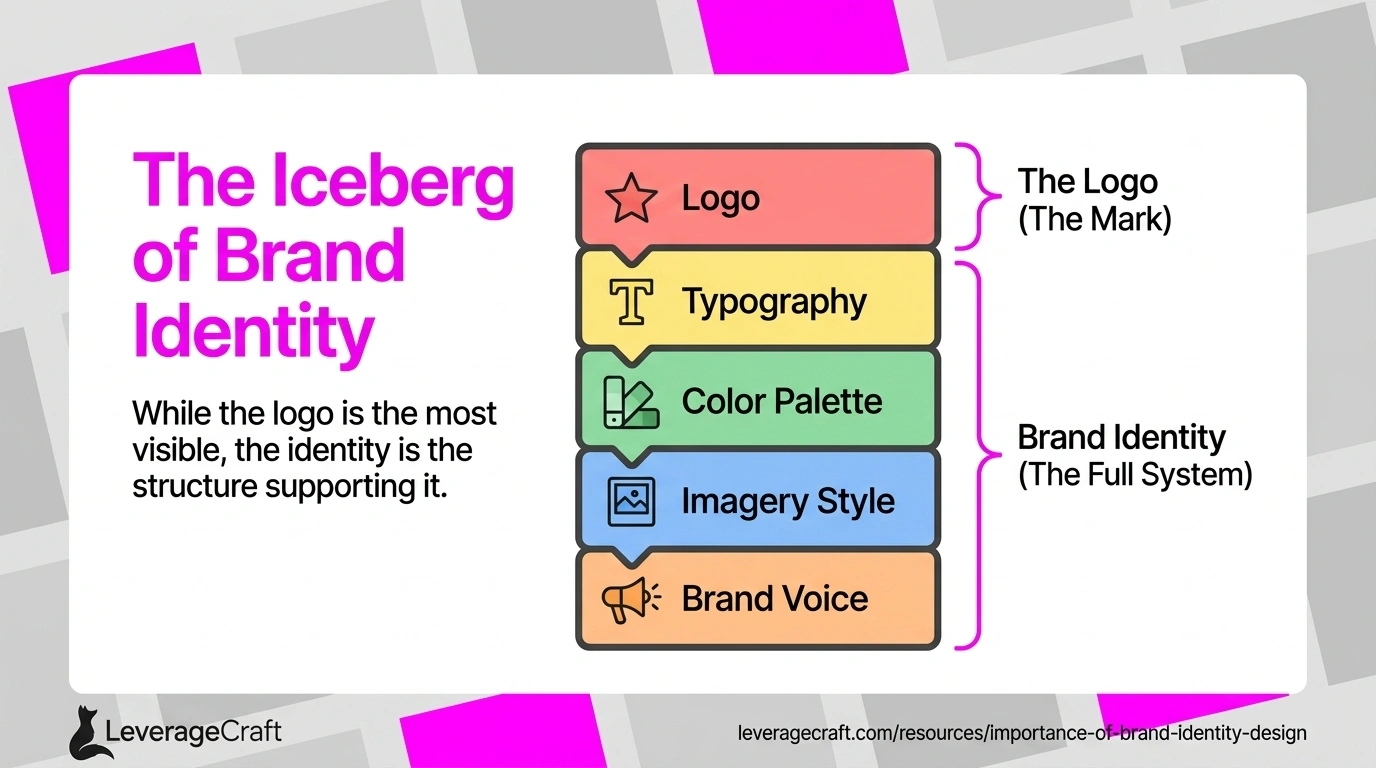
The Importance of Brand Identity Design in 2025
Discover why a strong brand identity is crucial for business success and how it influences customer perception, loyalty, and market positioning.
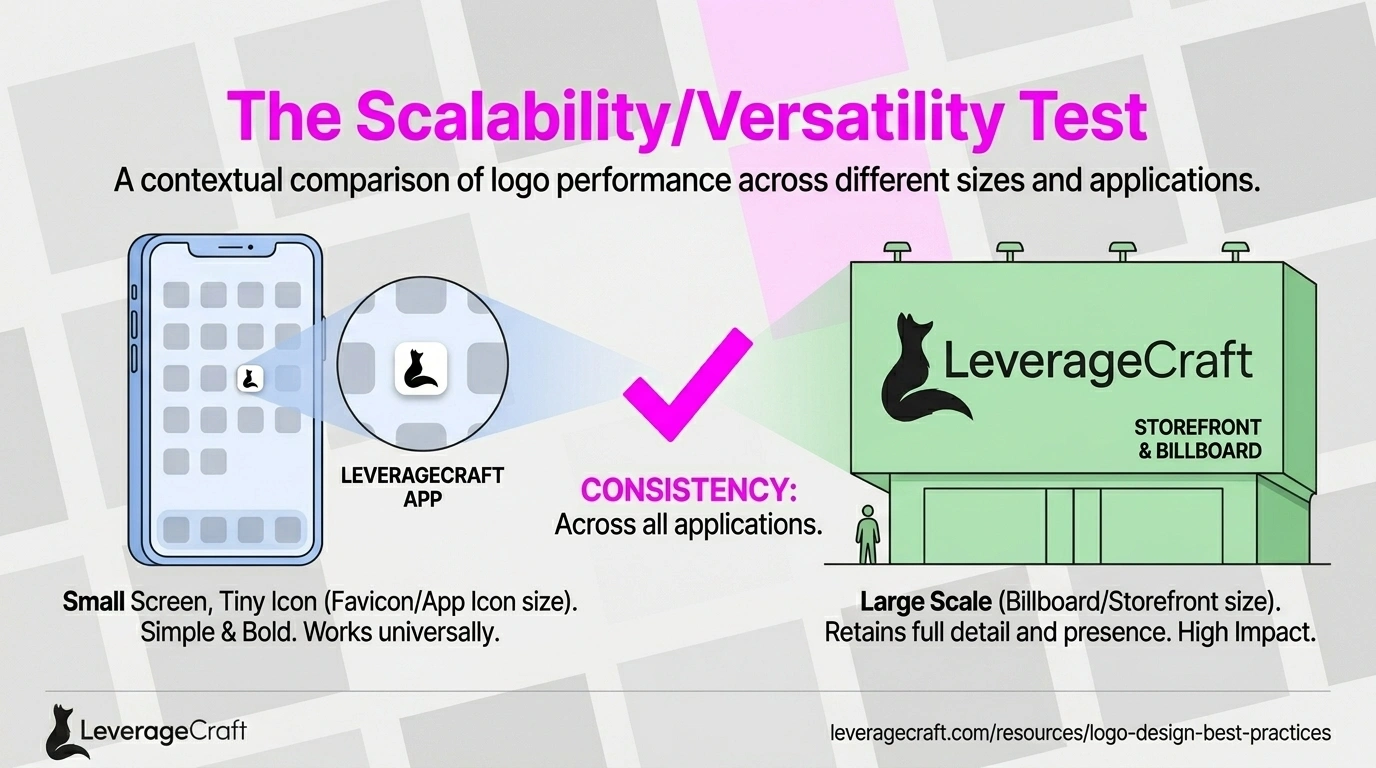
Logo Design Best Practices: Creating Timeless Brand Marks
Master the fundamentals of effective logo design with proven principles that create memorable, versatile, and timeless brand marks.
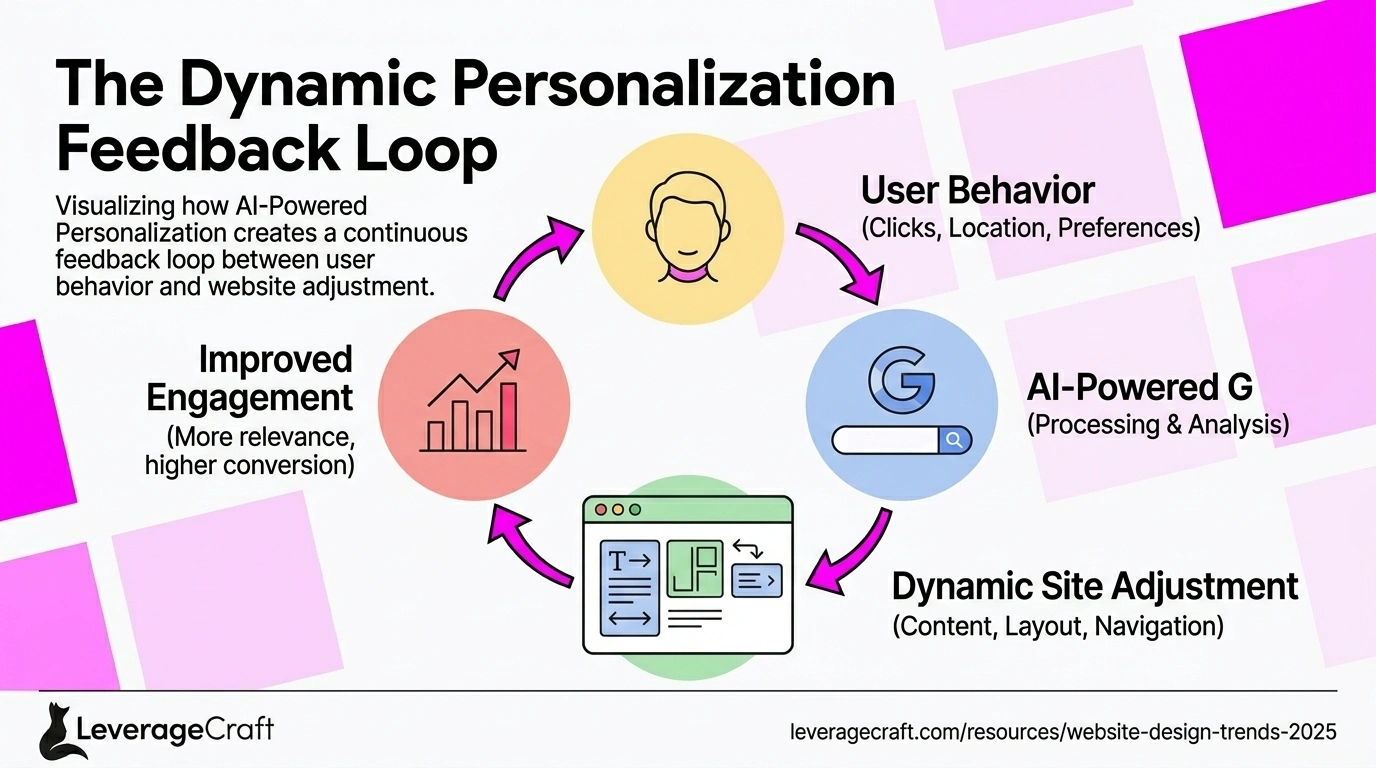
Website Design Trends Shaping 2025
Explore the latest website design trends, from AI-powered personalization to immersive 3D experiences, and learn how to implement them effectively.