Sustainable Branding in 2026: Eco-Conscious Design That Makes a Difference//
The Rise of Eco-Conscious Branding//
Sustainability has moved from niche concern to mainstream expectation. 78% of consumers consider environmental impact when choosing brands, and Gen Z demands authentic environmental commitment from companies they support.
This shift requires more than green-washing marketing claims—it demands fundamental integration of sustainability into brand identity. From digital-first design that reduces print needs to color palettes inspired by natural elements, sustainable branding reflects genuine environmental values.
Sustainable Design Principles//
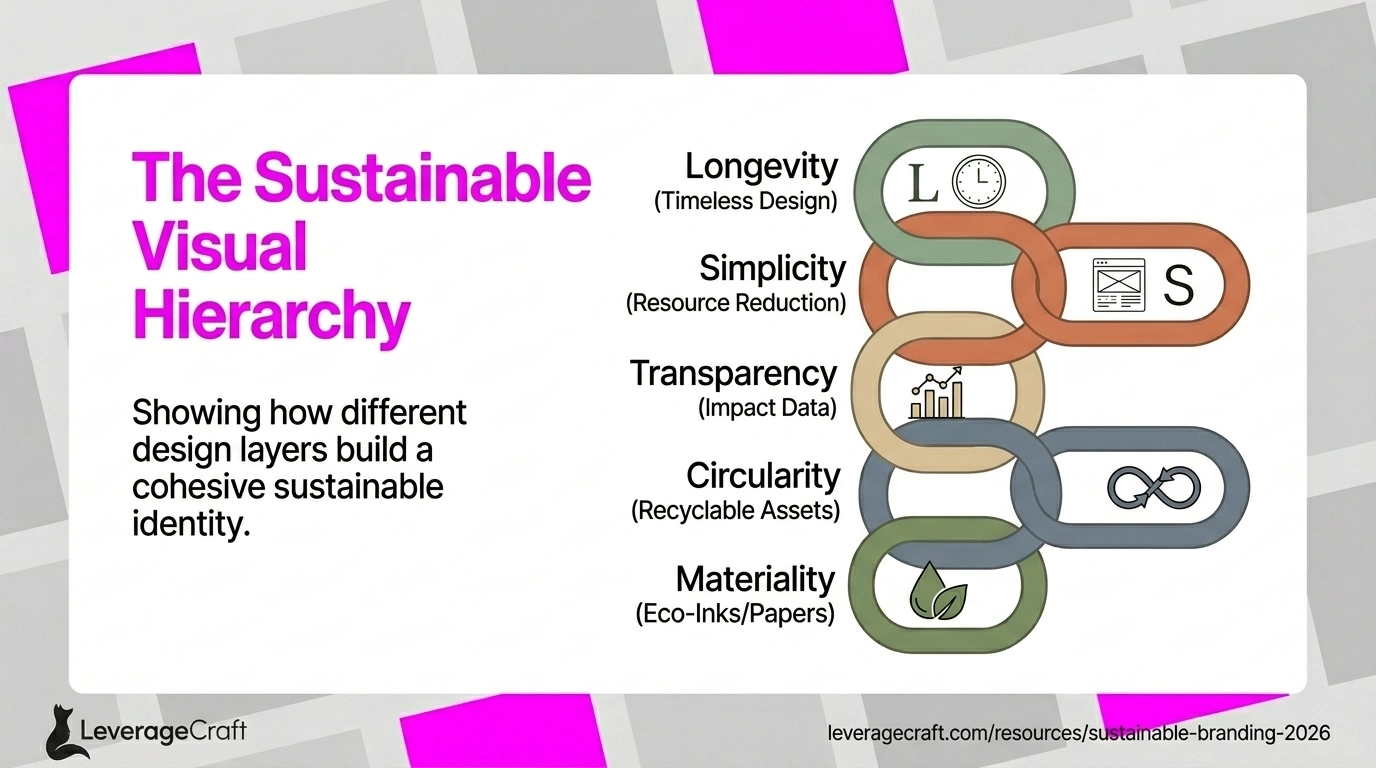
Sustainable brand design follows key principles: longevity over trends (creating identities that don't need frequent updates), simplicity (reducing complexity means fewer resources), digital-first thinking (minimizing print materials), and honest communication (avoiding false environmental claims).
These principles don't limit creativity—they focus it. Patagonia, Allbirds, and Ecosia prove that sustainable brands can be visually striking, memorable, and commercially successful while maintaining environmental integrity.
Eco-Conscious Color and Materials//
Sustainable brands increasingly use earth-tone palettes—terracotta, sage green, warm browns, and natural creams—that connect to nature while printing efficiently. These colors require less ink coverage and reproduce consistently across media.
When physical materials are necessary, sustainable brands choose recycled papers, soy-based inks, and biodegradable packaging. The visual design reflects these choices—textured backgrounds suggesting recycled materials, natural photography, and organic shapes.
Reducing Digital Carbon Footprint//
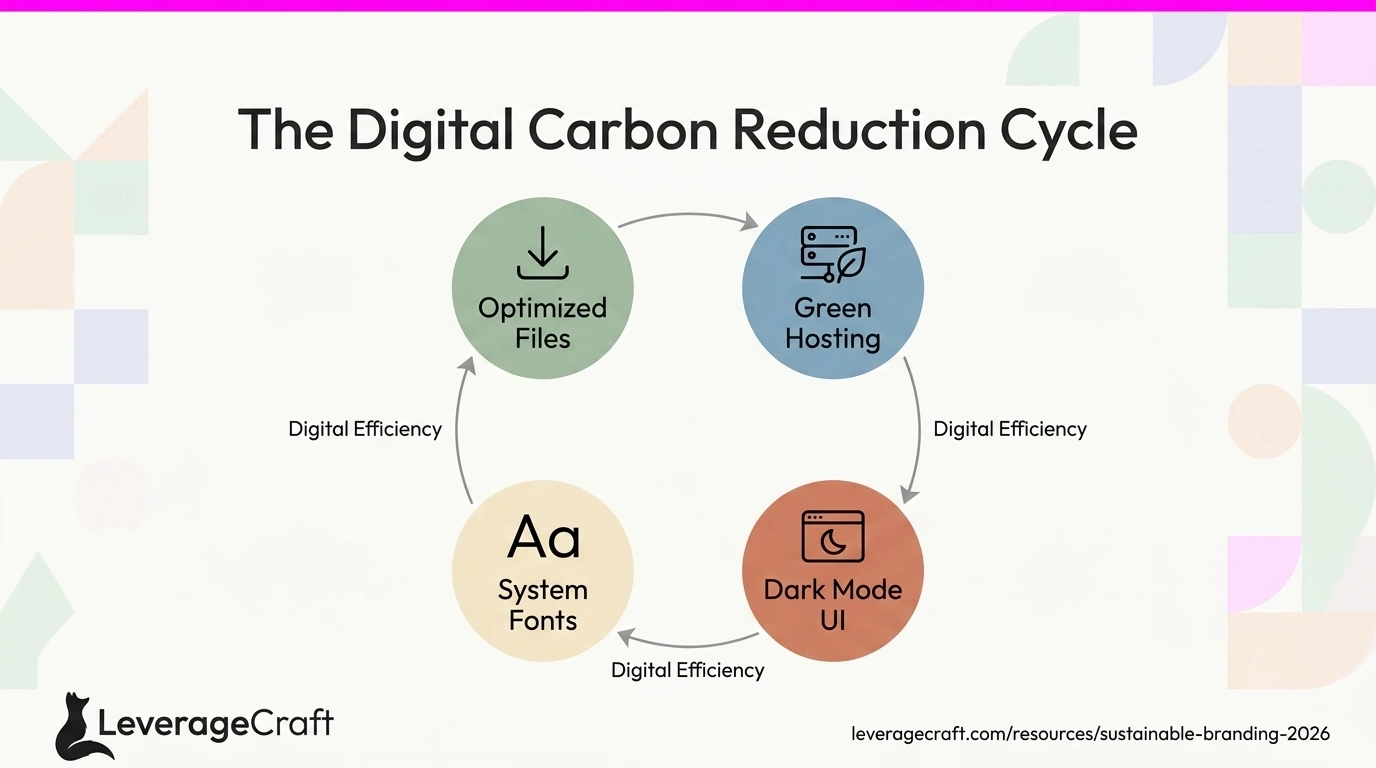
Digital isn't automatically sustainable—websites and apps consume energy. Sustainable brands optimize file sizes, use system fonts (reducing load times), implement dark mode options (saving screen energy), and choose green hosting providers.
Google has achieved carbon-neutral operations, Microsoft aims for carbon negative by 2030, and Apple uses 100% renewable energy for facilities. Their brand design reflects this commitment through efficiency-focused digital experiences and transparent reporting.
Authentic Environmental Storytelling//
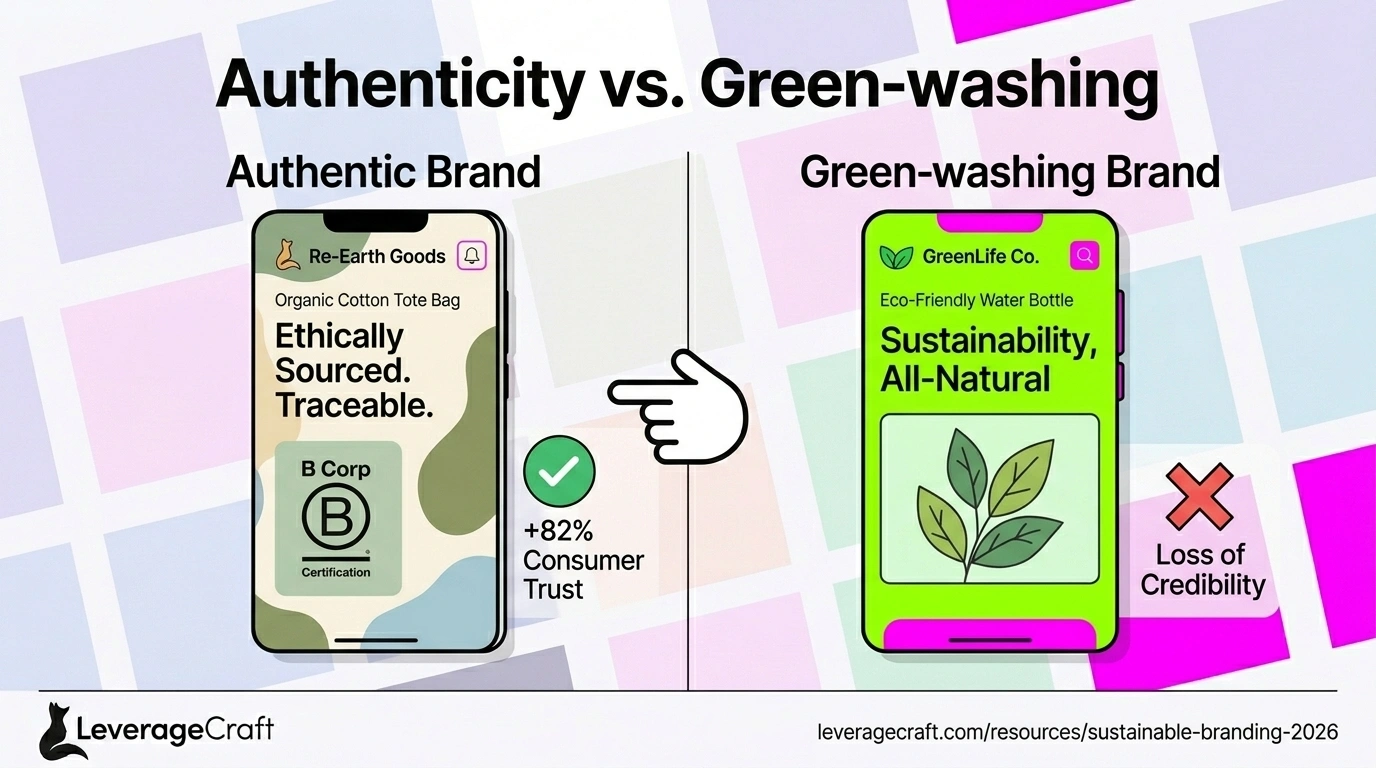
Consumers detect green-washing instantly. Authentic sustainable branding requires transparency about environmental impact—both achievements and ongoing challenges. Patagonia's "Footprint Chronicles" and Ecosia's transparent tree-planting reports exemplify this honesty.
Visual identity supports authentic storytelling through real photography (not stock images), data visualization of actual impact, behind-the-scenes content showing sustainable practices, and consistent messaging across all brand touchpoints.
How Major Corporations Approach Sustainable Branding//
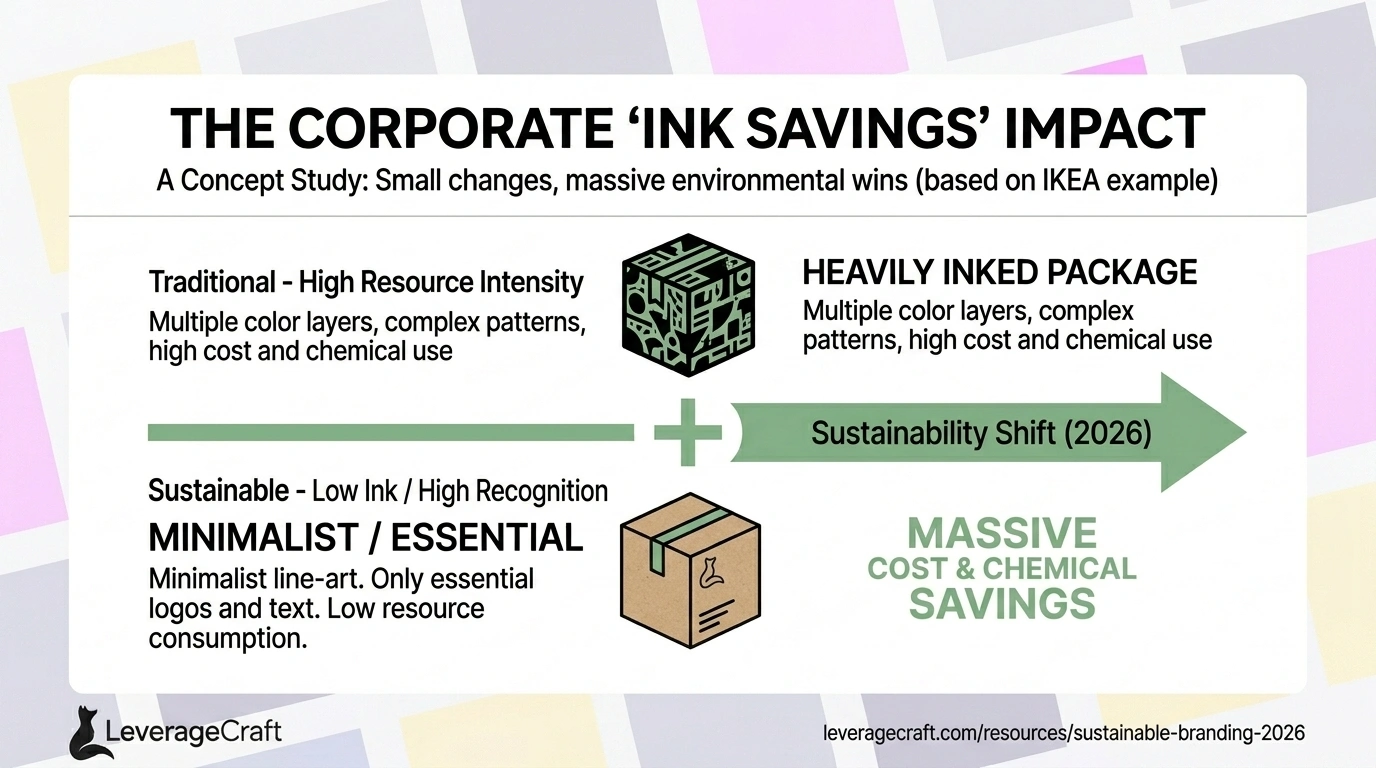
IKEA's sustainable identity evolution removed blue from much of their packaging (significant ink savings) while maintaining brand recognition. Unilever launched "Sustainable Living Brands" with distinct visual systems emphasizing environmental benefits. Nike's "Move to Zero" uses recycled polyester throughout their brand materials.
These companies prove sustainable branding scales. They invest in life cycle assessments of brand materials, calculate carbon footprints of marketing campaigns, and set measurable environmental goals tied to brand activities.
Visual Language of Sustainability//
Sustainable brands develop visual languages that communicate environmental values: circular economy symbols (circles, loops, infinity signs), growth imagery (leaves, seedlings), honest materials (wood grain, recycled textures), and certifications (B Corp, Climate Neutral).
This visual vocabulary must feel authentic, not cliché. The most effective sustainable brands integrate these elements subtly, creating sophisticated identities that happen to be sustainable rather than brands that scream "we're green!"
The Future of Sustainable Branding//
Emerging trends include regenerative branding (brands that actively improve the environment), circular identity systems (designed for easy updates rather than complete rebrands), and carbon-labeled marketing (showing environmental cost of campaigns).
As climate concerns intensify, sustainable branding will shift from competitive advantage to baseline expectation. The brands succeeding in 2030 will be those who authentically integrated sustainability into their identity starting today.
FREQUENTLY ASKED QUESTIONS//
Does sustainable branding cost more than traditional branding?
Initial investment may be slightly higher for sustainable materials and processes, but long-term costs are often lower. Digital-first approaches reduce printing expenses, timeless designs avoid frequent rebrands, and efficient file optimization reduces hosting costs. Many sustainable choices actually save money while benefiting the environment.
How do I avoid green-washing accusations?
Be transparent, specific, and honest. Make verifiable claims backed by data. Acknowledge areas where you're still improving. Get third-party certifications (B Corp, Climate Neutral). Show your work—explain what you're doing, why, and what impact it creates. If you can't prove a claim, don't make it.
Can any brand become sustainable, or is it only for eco-focused companies?
Any brand can adopt sustainable design practices. You don't need to be an environmental company to reduce your brand's carbon footprint, choose efficient design systems, or communicate honestly about sustainability efforts. Start where you are, make incremental improvements, and be transparent about the journey.
RELATED ARTICLES//
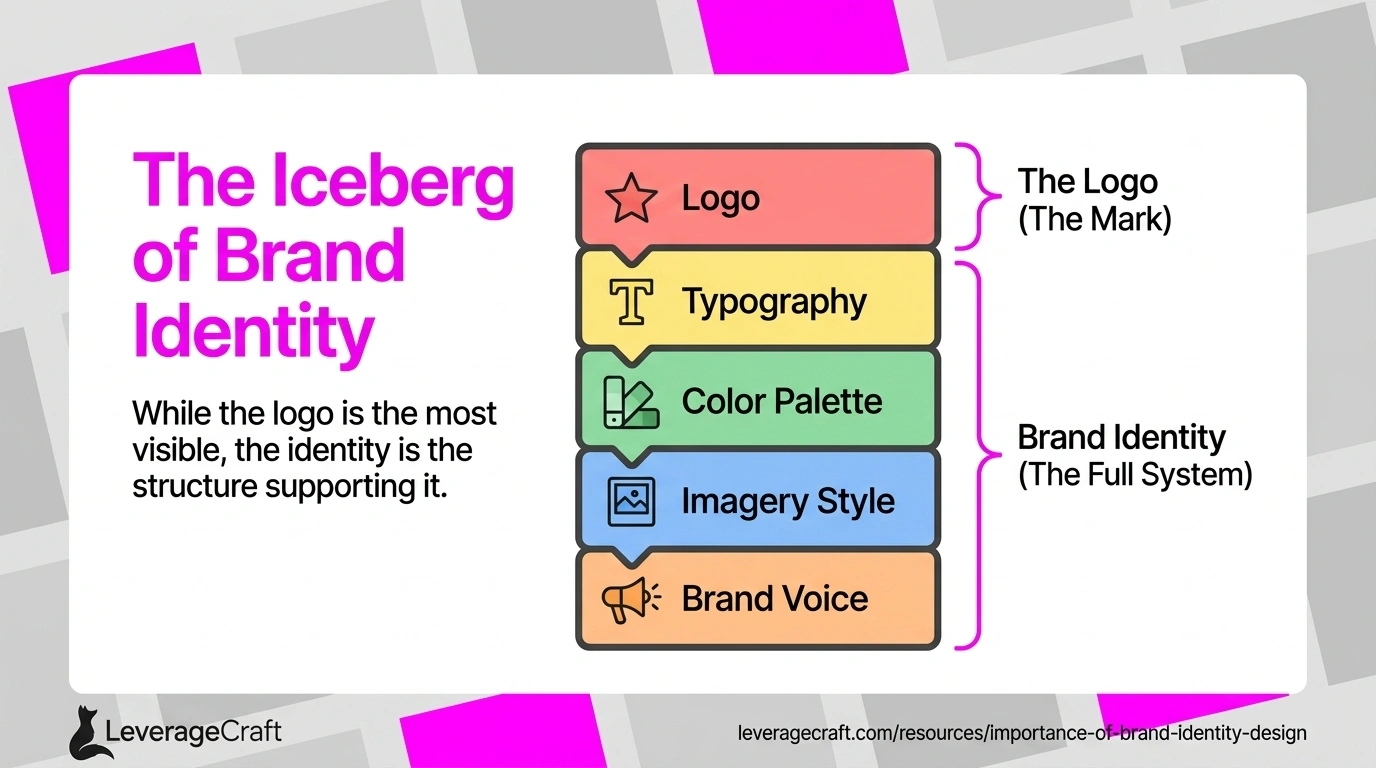
The Importance of Brand Identity Design in 2025
Discover why a strong brand identity is crucial for business success and how it influences customer perception, loyalty, and market positioning.
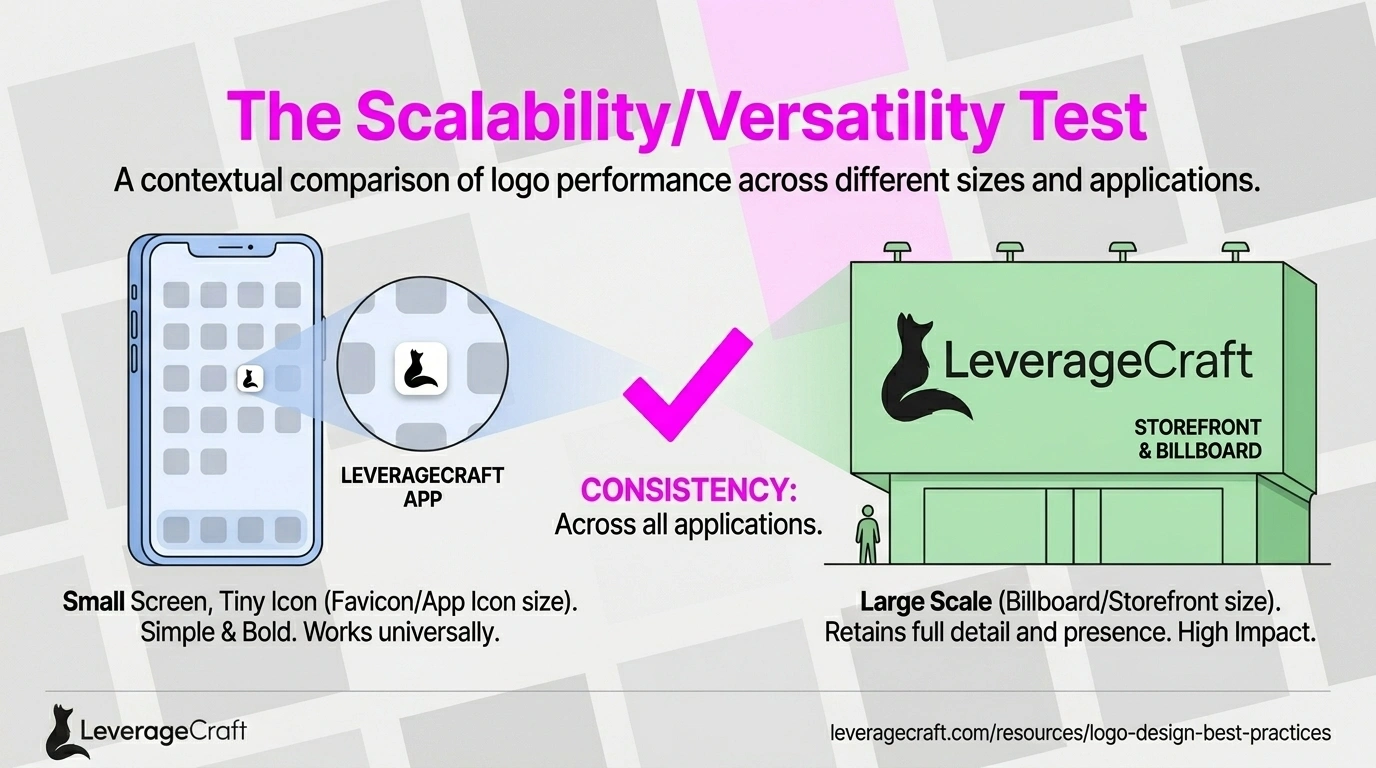
Logo Design Best Practices: Creating Timeless Brand Marks
Master the fundamentals of effective logo design with proven principles that create memorable, versatile, and timeless brand marks.
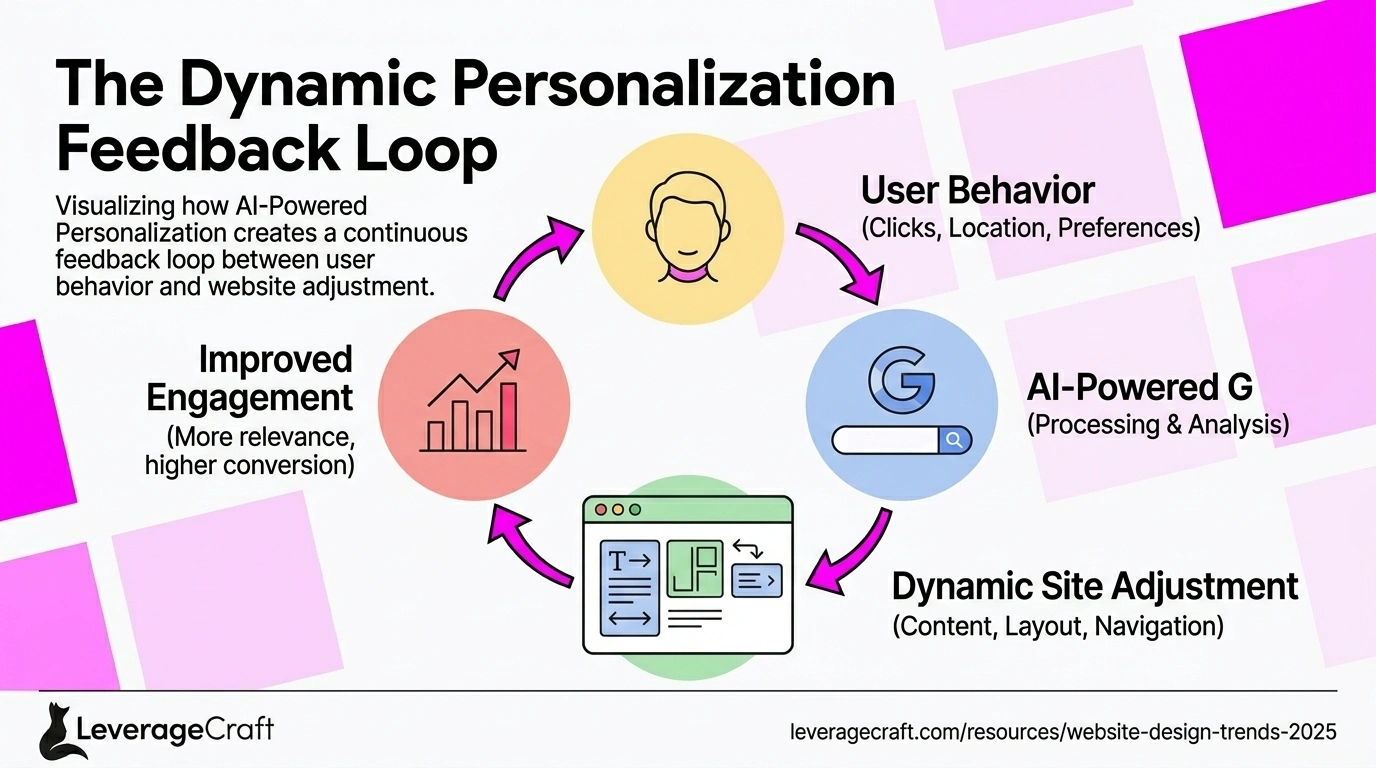
Website Design Trends Shaping 2025
Explore the latest website design trends, from AI-powered personalization to immersive 3D experiences, and learn how to implement them effectively.