Web Design Psychology in 2026: Understanding What Users Think and Feel//
The Psychology Behind Every Click//
Every design decision triggers psychological responses. Color choices affect mood, layout patterns guide attention, typography influences credibility, and micro-interactions create emotional feedback. Understanding these psychological mechanisms separates effective web design from purely aesthetic design.
In 2026, leading companies like Amazon, Netflix, and Spotify invest heavily in psychological research, using cognitive science to optimize every pixel. Their success isn't luck—it's applied psychology backed by extensive user research and behavioral data.
Managing Cognitive Load//
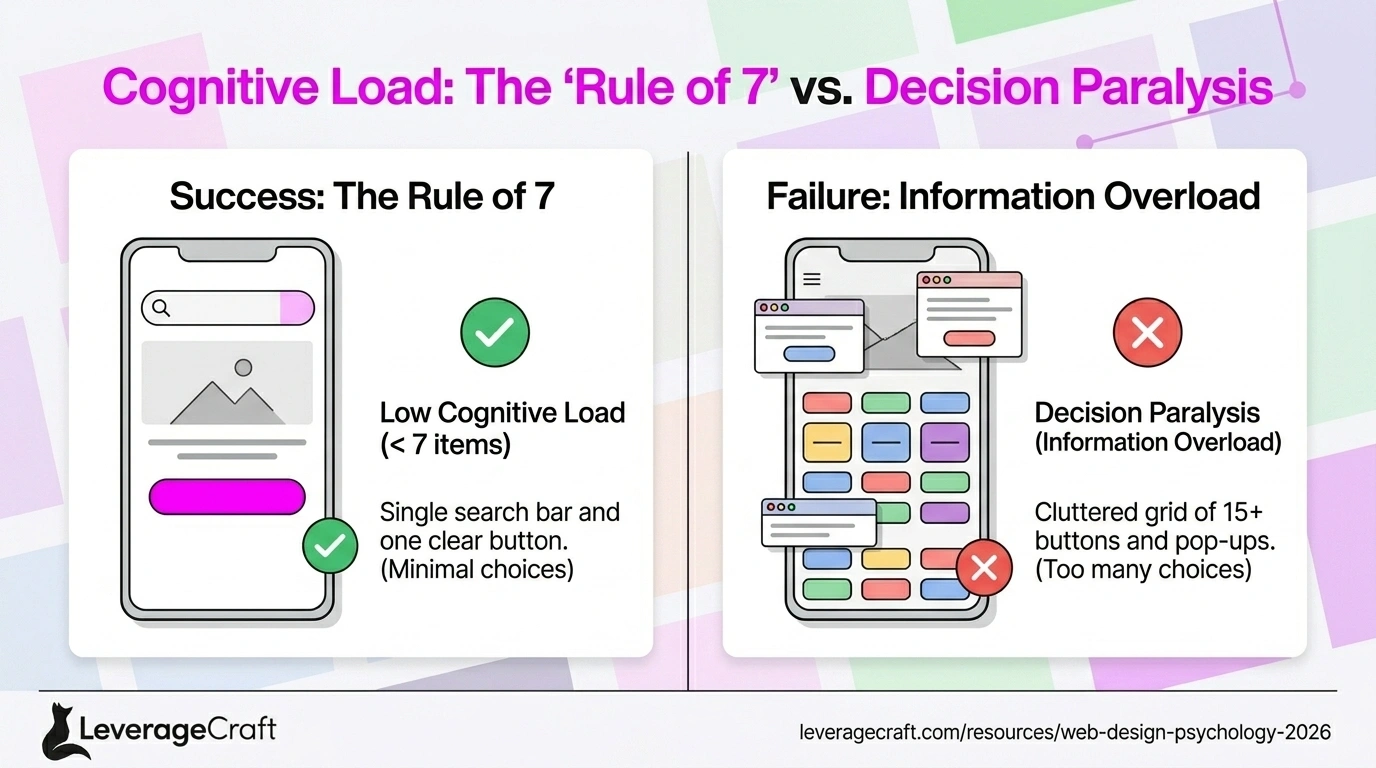
Human working memory holds approximately 7 items simultaneously. Effective web design respects this limitation by simplifying choices, chunking information, and creating clear hierarchies. When users face too many options or complex layouts, they experience decision paralysis.
Google's homepage exemplifies cognitive load management—a single search box with minimal distractions. This simplicity isn't minimalism for aesthetics; it's psychological optimization that removes friction from the user's primary task.
Psychology of Visual Hierarchy//
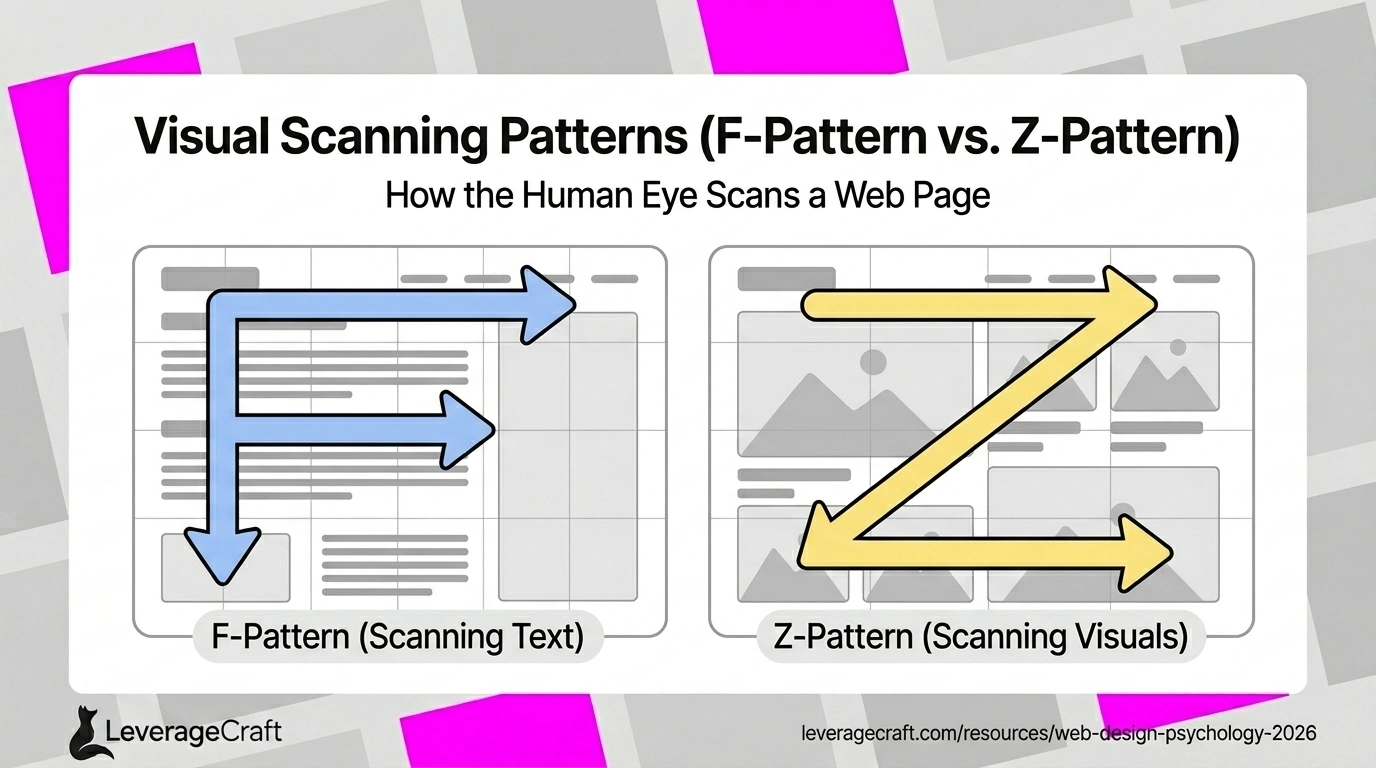
Users don't read websites—they scan in predictable patterns (F-pattern for text-heavy pages, Z-pattern for visual content). Effective design places critical information where eyes naturally travel, using size, color, contrast, and positioning to guide attention.
Eye-tracking studies reveal that users spend 80% of time viewing content above the fold and fixate on faces in images. Headlines in larger fonts get noticed first, buttons with high contrast attract clicks, and whitespace directs focus. These aren't preferences—they're hardwired visual processing patterns.
Emotional Triggers and User Experience//
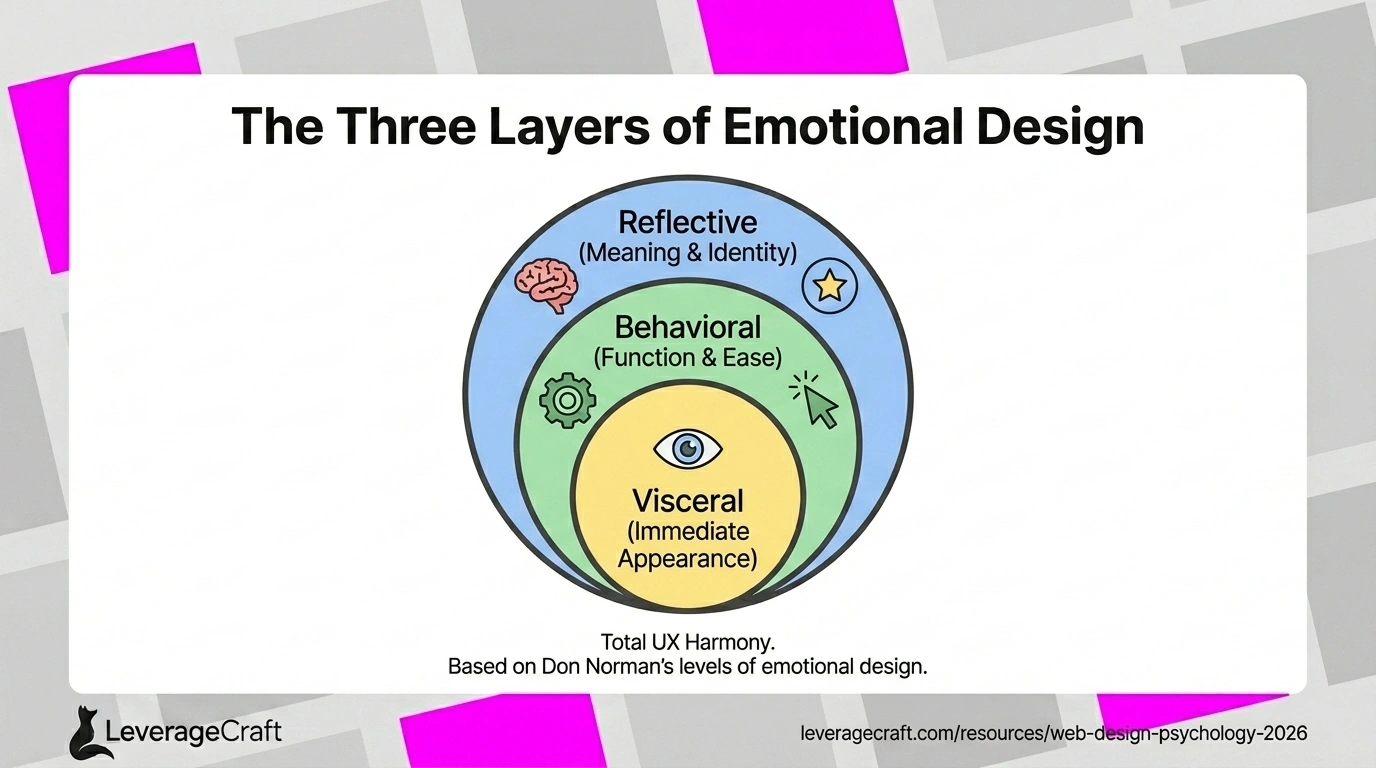
Don Norman's three levels of emotional design—visceral (immediate appearance), behavioral (usability and function), and reflective (personal meaning)—all influence user perception. Beautiful design creates positive first impressions, smooth interactions build trust, and meaningful experiences generate loyalty.
Stripe's payment interface demonstrates this perfectly: visually elegant (visceral), incredibly smooth to use (behavioral), and makes users feel professional and secure (reflective). Each psychological level reinforces the others.
Color Psychology in Web Design//
Colors trigger measurable psychological and physiological responses. Blue increases trust and calmness (why banks use it), red creates urgency (why sale buttons are red), green suggests growth and positivity (why eco-brands use it), and orange generates excitement (why CTAs use it).
However, color meanings vary by culture and context. Facebook's blue works globally for social connection, but red means danger in Western cultures and celebration in Eastern cultures. Effective color psychology considers target audience, cultural context, and competitive differentiation.
Cialdini's Principles in Web Design//
Robert Cialdini's six principles of persuasion apply directly to web design: reciprocity (free trials, valuable content), commitment (progress indicators), social proof (testimonials, user counts), authority (credentials, certifications), liking (attractive design, personalization), and scarcity (limited offers, stock indicators).
Amazon masterfully employs all six: free content (reciprocity), wish lists (commitment), reviews (social proof), bestseller badges (authority), personalized recommendations (liking), and "only 3 left" warnings (scarcity). These aren't manipulative—they're psychological shortcuts that help users make confident decisions.
How Tech Giants Apply Psychology//
Google runs over 50,000 design experiments annually, testing psychological hypotheses at massive scale. Apple applies psychological principles of simplicity and anticipation throughout their interface design. Netflix uses color psychology and choice architecture to influence what users watch.
These companies employ psychologists, conduct neuromarketing research, and use AI to personalize experiences based on psychological profiles. They understand that effective design isn't about what looks good—it's about what makes users think, feel, and behave in ways that serve both user and business goals.
Ethical Psychology in Design//
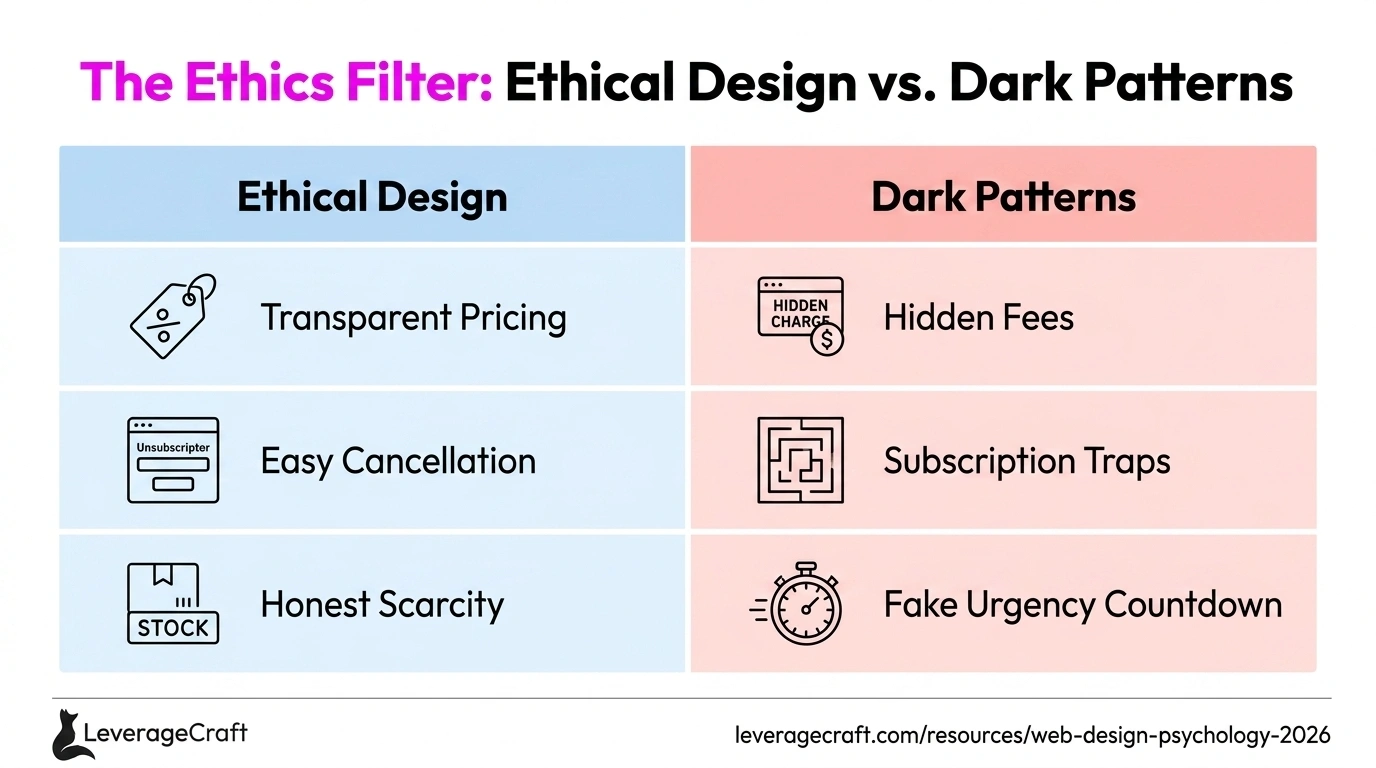
Understanding psychology creates responsibility. Dark patterns—interfaces designed to trick users—exploit psychological principles unethically. Auto-renewing subscriptions that are easy to start but hard to cancel, pre-checked boxes for unwanted options, and fake scarcity warnings betray user trust.
Ethical design uses psychology to help users achieve their goals, not manipulate them against their interests. Transparent pricing, clear cancel options, honest scarcity indicators, and genuine value propositions build long-term loyalty that dark patterns destroy.
Testing Psychological Hypotheses//
A/B testing allows designers to validate psychological assumptions. Change one element—button color, headline phrasing, image choice—and measure behavioral impact. Heat maps reveal where users actually look (versus where designers assume), session recordings show confusion points, and conversion funnels identify psychological friction.
In 2026, AI analyzes these patterns across millions of users, identifying psychological insights humans might miss. However, data shows what happens, not why. Designers must interpret findings through psychological frameworks to create truly effective experiences.
FREQUENTLY ASKED QUESTIONS//
How do I apply psychology without being manipulative?
Focus on understanding user needs and removing barriers to their goals. Use psychology to make experiences clearer, easier, and more satisfying—not to trick users into actions they don't want. Ask: "Does this help the user or exploit them?" If it helps, it's ethical. If it exploits, it's manipulation.
Do psychological principles work the same for all audiences?
Core cognitive principles (limited working memory, visual processing patterns) are universal, but cultural contexts, age groups, and technical sophistication affect how people interpret design elements. Test with your specific audience rather than assuming general principles apply universally. What works for Gen Z may not work for Baby Boomers.
Should I prioritize psychology or aesthetics in web design?
False choice—the best design integrates both. Beautiful design that doesn't convert fails business goals. Effective design that's ugly drives users away. Aim for designs that are both psychologically optimized and visually appealing. When forced to choose, prioritize function over form, but strive to achieve both.
RELATED ARTICLES//
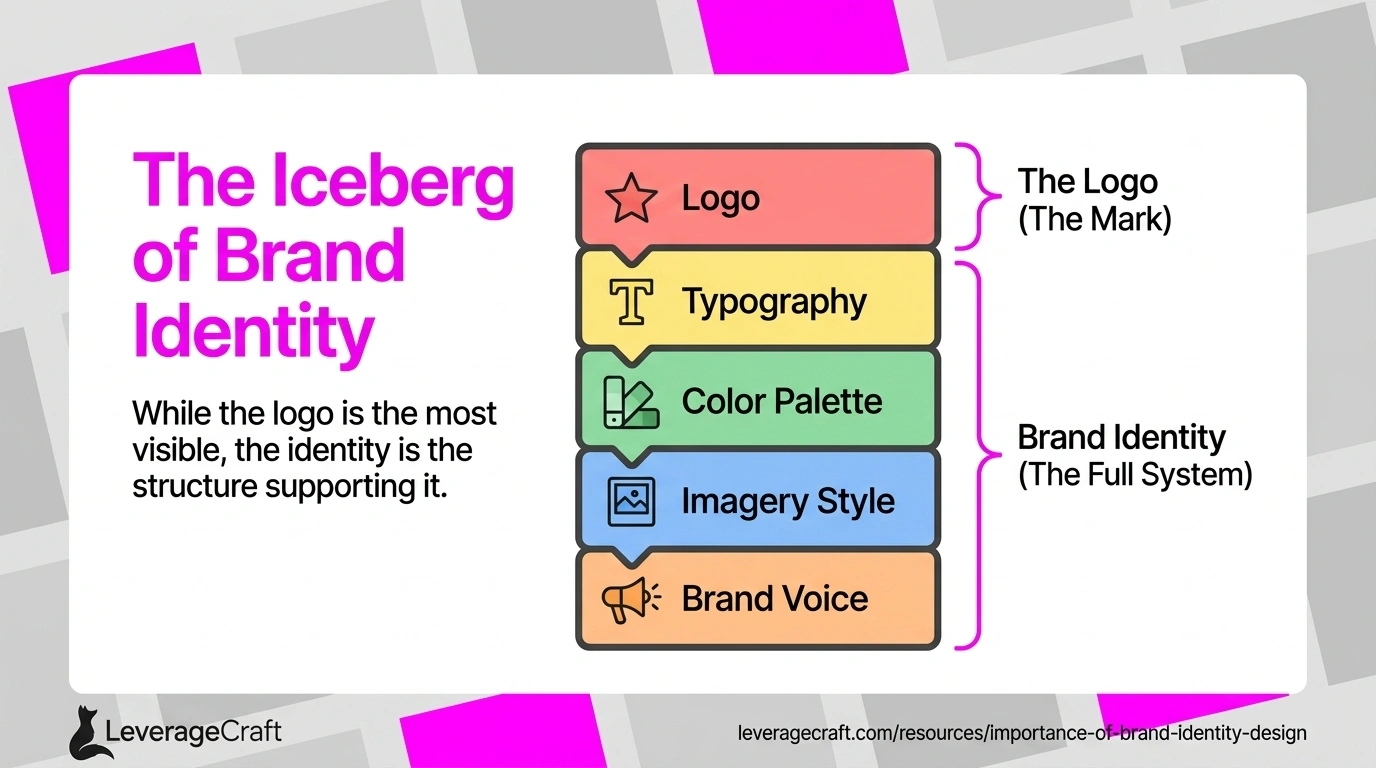
The Importance of Brand Identity Design in 2025
Discover why a strong brand identity is crucial for business success and how it influences customer perception, loyalty, and market positioning.
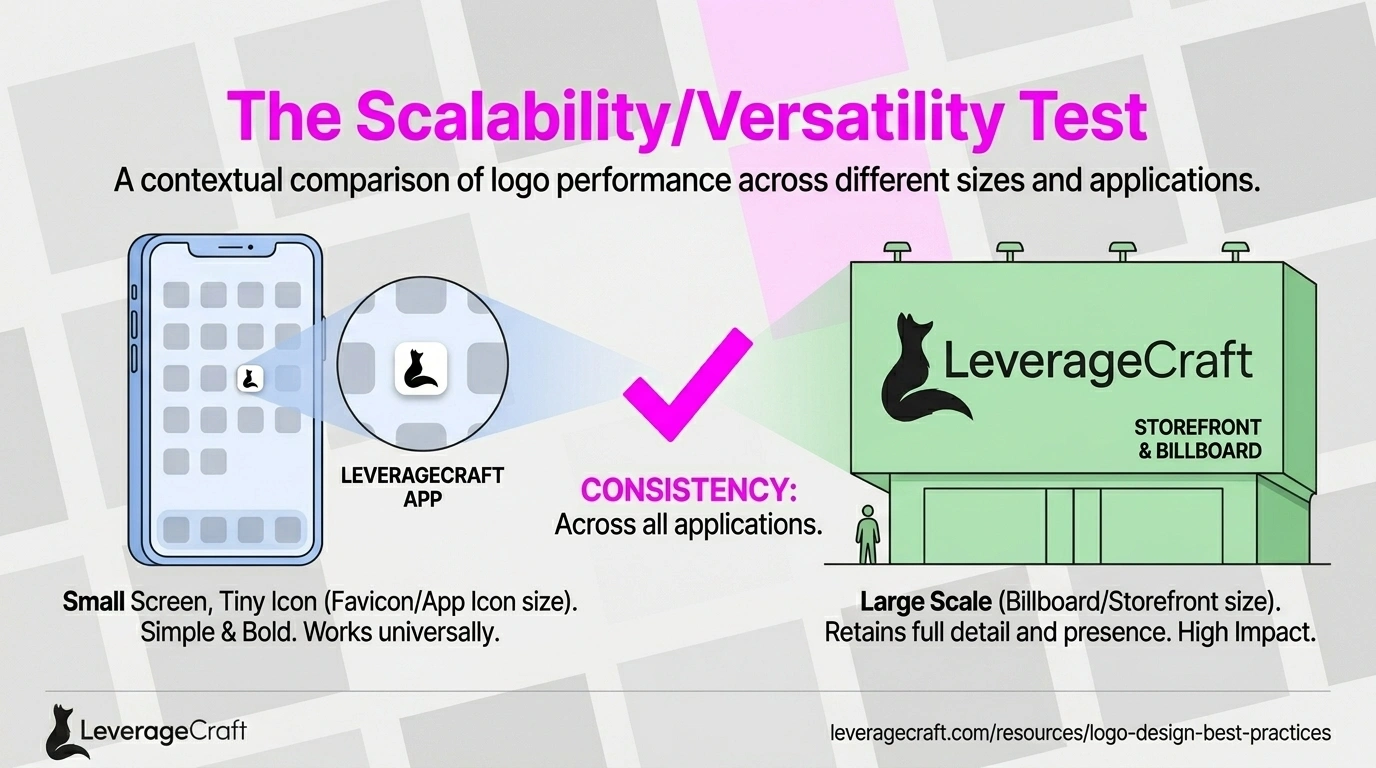
Logo Design Best Practices: Creating Timeless Brand Marks
Master the fundamentals of effective logo design with proven principles that create memorable, versatile, and timeless brand marks.
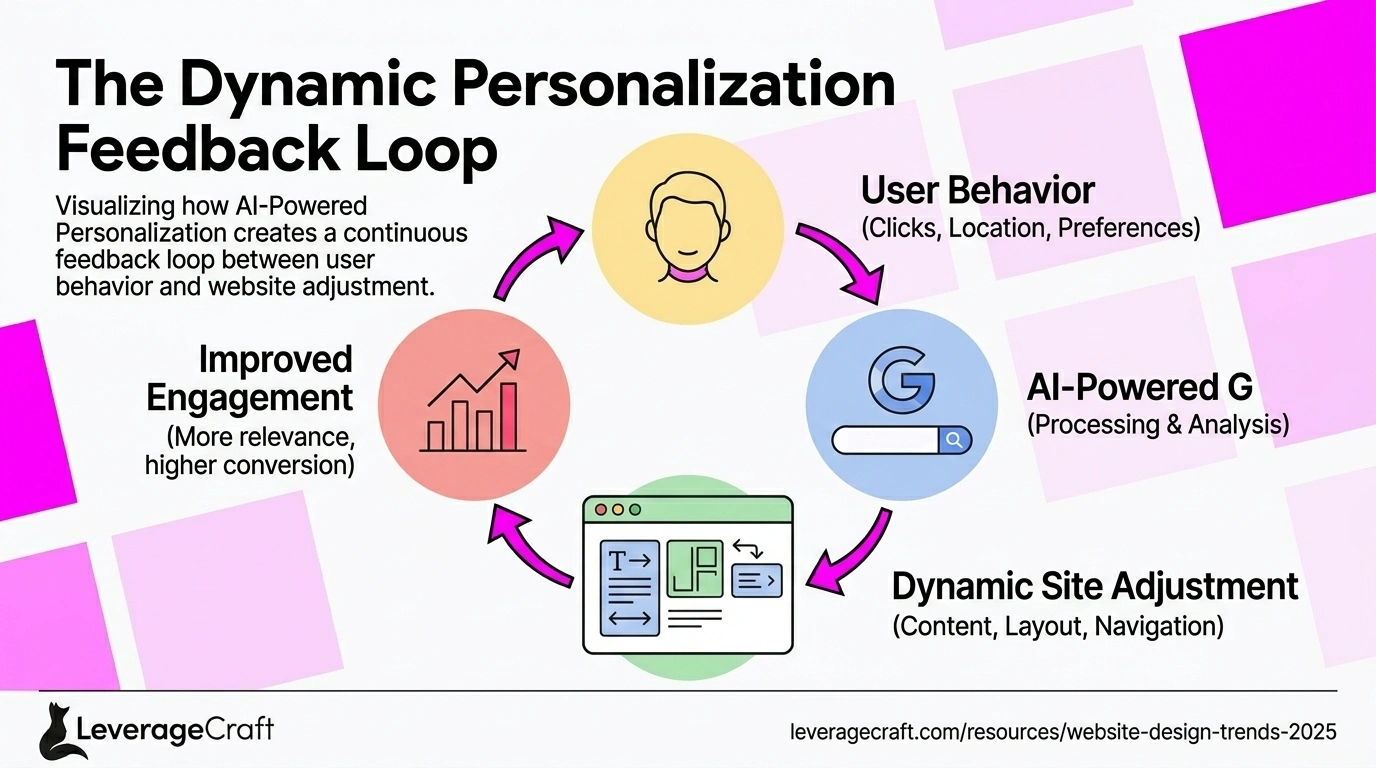
Website Design Trends Shaping 2025
Explore the latest website design trends, from AI-powered personalization to immersive 3D experiences, and learn how to implement them effectively.